For the best results, at the reliable and sincere TJ Plastic Surgery
Medical Guide
What’s the Best Age for a Facelift? Expert Advice from Seoul’s Top Surgeons
Discover the best age for a facelift with expert insights from Seoul’s top surgeons. Learn when to start for natural, lasting results—read more now!
Schedule a ConsultationIntroduction
Expert Advice from Seoul’s Top Surgeons
When patients walk into our clinic — whether they’re in their late 30s, mid‑50s, or well into their 60s — one question comes up again and again:
“Am I too young (or too old) for a facelift?”
There’s no one-size-fits-all answer. But there is a thoughtful way to approach the question — one that combines surgical expertise, facial anatomy, and your personal aging timeline.
To be honest, the “best” age for a facelift isn’t a magic number. It’s a unique intersection of visible changes in facial support, skin quality, and how you feel when you look in the mirror. In South Korea — especially here in Gangnam, where aesthetics and innovation are deeply valued — this decision is never rushed. It’s a strategic, tailored process.
In this article, we’ll explore the ideal age range for facelift surgery based on real surgical principles. You’ll find clinically grounded advice, cultural insights from Seoul’s aesthetic trends, and everything you need to feel informed.
Why Facelift Timing Matters
Facelifts are not just about tightening skin. A true facelift — particularly the modern techniques performed at advanced clinics in Seoul — is about restoring youthful harmony across the deep facial layers, including:
Superficial Musculoaponeurotic System (SMAS)
Midface fat pads
Skin elasticity
Jawline and neck contours
Not Just One Age — Three Broad Windows Where Facelifts Make Sense
Early Intervention (Late 30s to Early 40s)
In Seoul, where youthful appearance is highly valued, we often see patients in their late 30s or early 40s asking about early intervention. This may seem “too young” from a Western perspective — but in East Asia, where facial features are often more delicate and aging signs subtler, even mild descent can feel significant.
What are the signs that might justify a mini facelift or early facial lifting?
The “Classic” Facelift Window (Late 40s to Mid‑60s)
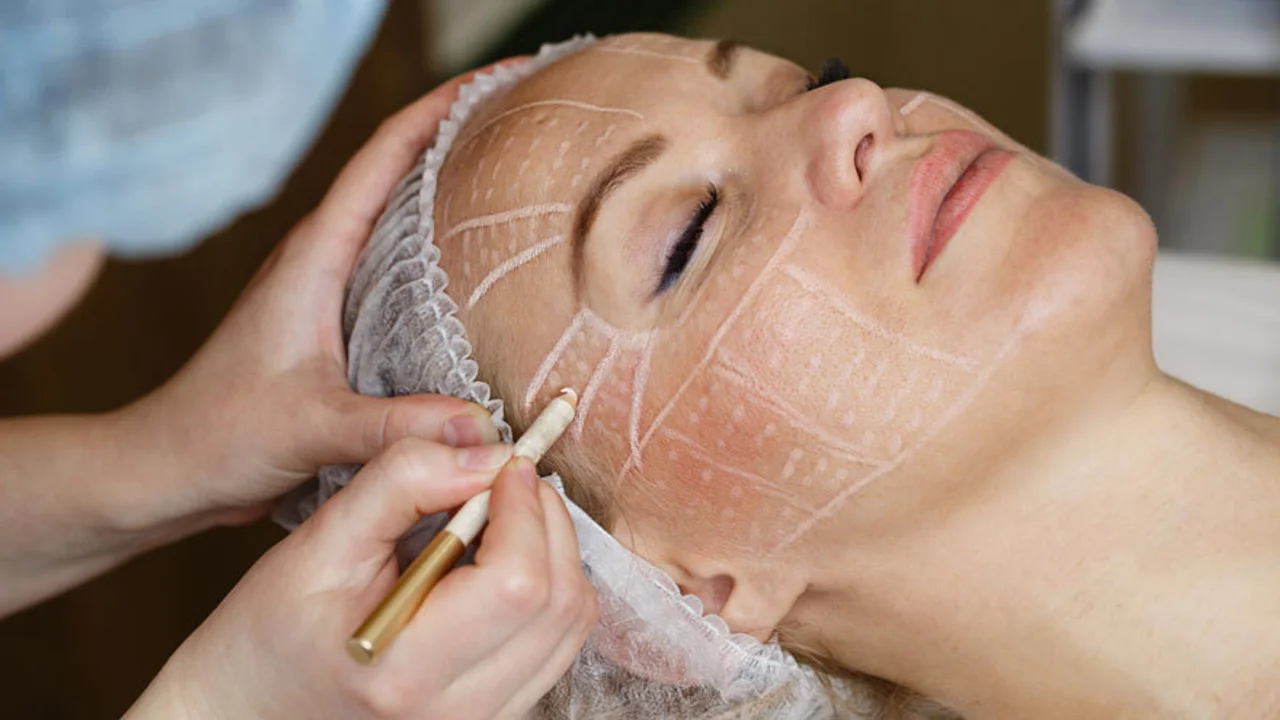
Midface Descent
Cheeks lose volume and fall, flattening the face and pulling nasolabial folds downward.
Jowls Form Along the Jawline
The transition between face and neck begins to blur. This is one of the top concerns patients express: “My jawline used to be sharp — now it’s soft and undefined.”
Platysmal Bands Appear
Neck bands become more visible as the skin thins and muscle tone weakens.
Skin Laxity Increases
This means the skin stretches more easily, particularly around the lower face and jaw.
Later Age (Mid‑60s and Up)
Contrary to popular belief, facelift surgery is not “off the table” in your 60s or 70s — far from it. In fact, we’ve performed facelifts on patients up to their early 80s with beautiful, safe outcomes.
How Surgeons Decide — Beyond the Age Number

1. Skin Elasticity and Quality
If your skin still has good recoil, your facelift can achieve more natural, longer-lasting results. Sun damage, smoking, and drastic weight changes affect this.
2. Degree of Volume Loss vs. Descent
Is the face sagging — or simply deflated? Sometimes, volume restoration (via fat grafting or filler) can address 60–70% of the concern. In other cases, sagging structures must be lifted to restore contour.
3. Facial Bone Structure
Stronger bone definition (especially in the cheeks and jawline) often supports better outcomes. This is where Asian facial structures differ slightly — requiring a more customized approach.
4. Emotional Readiness
No matter the age, surgery requires mental preparation. A healthy body heals — but so does a positive, stable mindset.
Is There a “Too Late” Age for a Facelift?
Short answer: rarely. Long answer: only if the risks outweigh the benefits.
What About Non‑Surgical Alternatives?
It’s worth mentioning that not every patient needs surgery right away. In fact, our clinic offers comprehensive non-surgical facial rejuvenation options, including:
Recovery: What Patients Should Know
Understanding the recovery process helps patients prepare mentally and logistically.
0–3 Days
Swelling and tightness are most noticeable
Cold compresses and head elevation help reduce inflammation
Pain is manageable with prescribed medication
4–7 Days
Bruising may shift in color (from purple to yellowish)
Sutures may be removed around day 7
Patients often begin light activities by the end of the first week
2–3 Weeks
Most social swelling has resolved
Makeup can be worn to conceal residual bruising
Exercise and travel should still be limited
4–6 Weeks
Natural contours settle in
Patients return to work and social life comfortably
3–6 Months
Final results become visible
Scars continue to mature and fade
Real Patient Experiences
Let us share a few de-identified patient stories from our practice:
Final Thoughts: It’s Not Age — It’s You
If you’ve been wondering when the right time for a facelift is, remember:
There is no perfect number. There is only the perfect moment — when your goals, anatomy, and expectations align.
More Articles
Continue reading clinical guides and plastic surgery resources from TJ Plastic Surgery.
What Forehead Reduction Surgery Can Do for Your Facial Aesthetic
Discover how forehead reduction surgery enhances facial aesthetics by creating a balanced, youthful look. Learn more about the benefits and process today!
Learn More

Consider a Minimally Invasive Facelift for a Youthful, Refreshed Appearance
Discover the benefits of a minimally invasive facelift for a youthful, refreshed look. Learn how this procedure can rejuvenate your appearance with less downtime.
Learn More
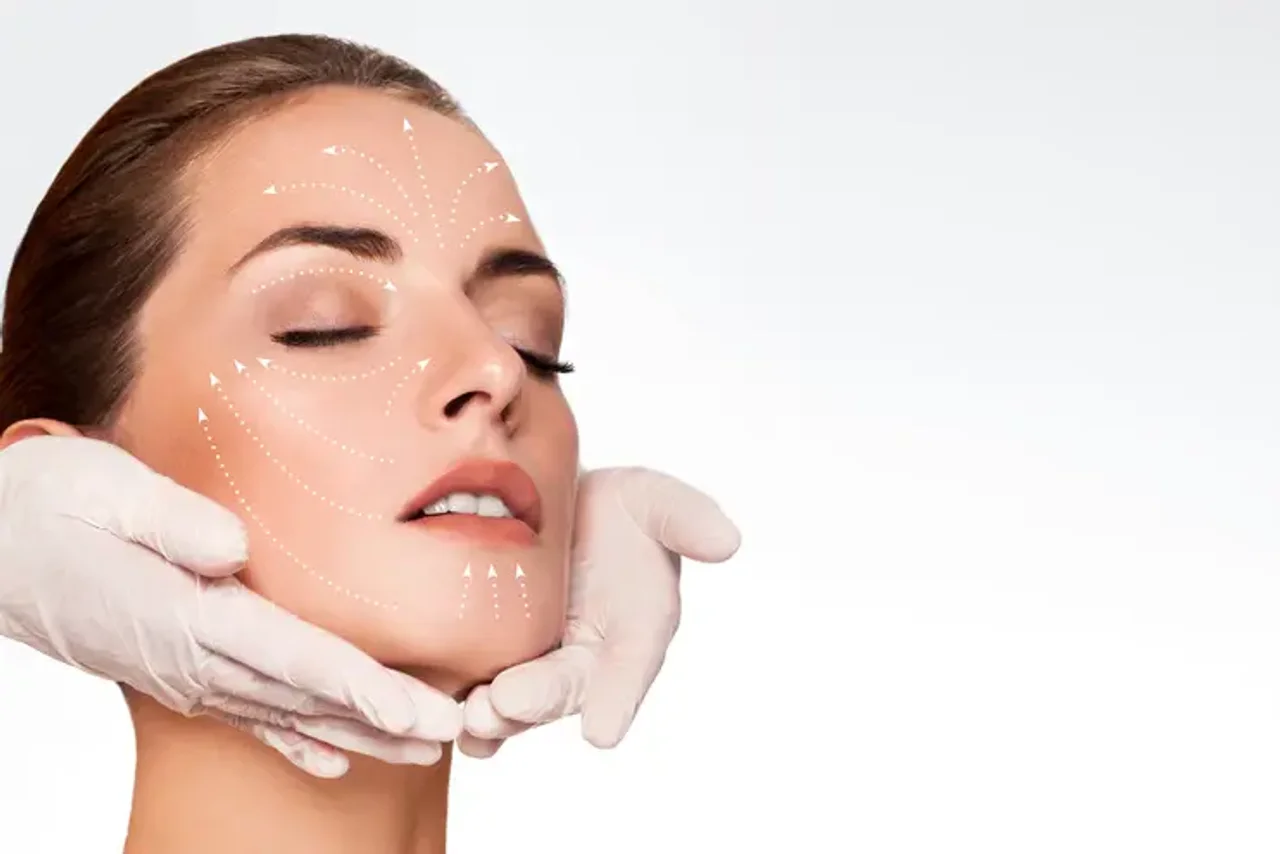
Why Facelift Surgery Is the Best Solution for Long-Lasting Results
Discover why facelift surgery offers the best long-lasting results for a youthful appearance. Learn more about its benefits and transformative effects today!
Learn More