For the best results, at the reliable and sincere TJ Plastic Surgery


Medical Guide
What to Expect from Forehead Reduction Surgery
Discover what to expect from forehead reduction surgery, including recovery, risks, and results. Learn if it’s right for you—read the full guide now!
Schedule a ConsultationIntroduction
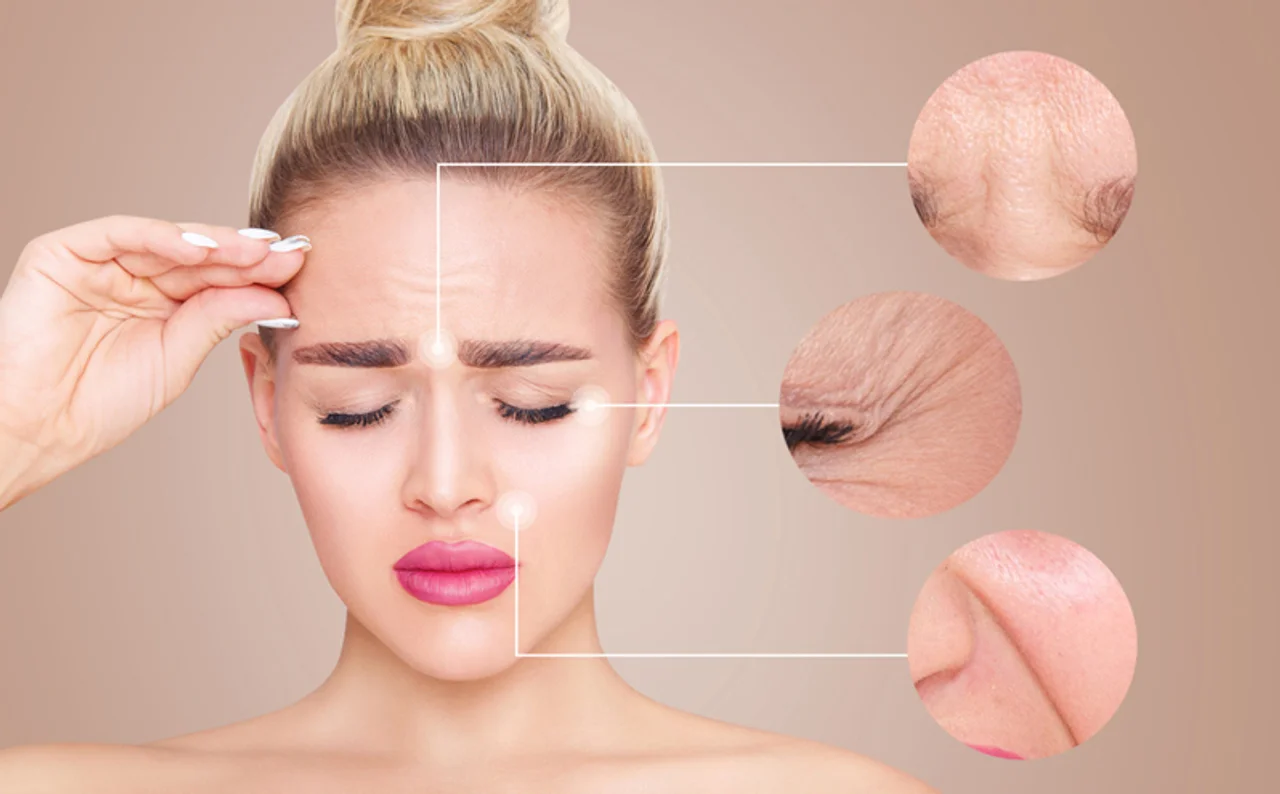
If you’ve ever felt your forehead dominates your facial balance — perhaps feeling “top-heavy” in photos or struggling to wear certain hairstyles confidently — you’re not alone. Forehead reduction surgery, also known as hairline lowering surgery, is a transformative procedure designed to adjust the proportions of your face by subtly bringing the hairline forward.
At TJ Plastic Surgery in Gangnam, we see many patients — both local and international — who are seeking a natural, harmonious balance to their features. Some were born with a naturally high hairline, while others experienced gradual hairline recession over time. No matter the reason, forehead reduction can offer both aesthetic enhancement and renewed confidence.
Let’s walk you through what this procedure involves, why people choose it, and what you can realistically expect from the experience.
What Is Forehead Reduction Surgery?
Forehead reduction surgery is a facial cosmetic procedure that lowers the position of the hairline, thereby shortening the vertical length of the forehead.
Unlike treatments such as hair transplants, which focus on density and volume, this procedure physically repositions the hair-bearing scalp forward. It’s often done for people with:
A congenitally high hairline
A forehead height disproportionate to other facial features
Hair loss or recession in the frontal area
Gender-affirming facial surgeries (particularly in facial feminization surgery)
The goal is subtlety. The best results don’t scream "surgery" — they whisper balance.
Why Consider Forehead Reduction?
In Korean aesthetics, facial harmony is a high priority. Patients often seek a balanced “golden ratio” between the upper, middle, and lower thirds of the face. A high forehead can make the upper third appear overly dominant, affecting overall symmetry — especially in profile.
At TJ Plastic Surgery, many of our patients tell us:
“My forehead makes me look older than I am.”
“I just want to wear bangs or tie my hair up without feeling self-conscious.”
It’s not just about vanity — it’s about feeling more like yourself.
Additionally, for individuals undergoing gender-affirming surgery, forehead reduction can play a vital role. It can soften or feminize facial features, creating a more aligned identity.
How the Procedure Works

Forehead reduction is performed under local anesthesia with sedation or general anesthesia, depending on the case and patient comfort. At TJ Plastic Surgery, we tailor each surgical plan based on facial anatomy, scalp flexibility, and hair density.
Step-by-Step Overview:
Pre-Surgical Design:
Dr. Tack-Jin Chang and our surgical team will carefully mark the new hairline based on your facial structure and desired result. This step is collaborative and precise.Incision and Dissection:
An incision is made along the existing hairline. The scalp is gently separated from the underlying tissue to allow it to be advanced forward.Hairline Advancement:
The hair-bearing scalp is brought forward, and the excess forehead skin is removed. In most cases, 1.5 to 3 centimeters of reduction is achievable.Closure and Healing:
The incision is closed using advanced techniques that promote minimal scarring. In some cases, a trichophytic closure is used to allow hair to grow through the scar, making it virtually invisible over time.
The surgery typically lasts 2–3 hours and is often done as a day procedure, meaning no overnight stay is needed.
What to Expect During Recovery
Recovery is relatively straightforward but requires care and patience.
1–3 Days Post-Surgery:
Mild to moderate swelling around the forehead and eyes
Tightness or numbness in the upper scalp (temporary)
Pain is usually well-controlled with medication
1 Week:
Stitches are typically removed around Day 7
Most patients return to work or school (non-physically demanding roles)
2–4 Weeks:
Swelling continues to subside
You can resume light exercise
Hair washing is allowed, but gently
2–3 Months:
Hair begins growing through the scar line if a trichophytic closure was used
Numbness gradually fades
Scar starts blending in with natural hairline
6–12 Months:
Final results become visible
Scar becomes nearly invisible for most patients
Will There Be a Visible Scar?
This is one of the most common concerns — and an understandable one.
Am I a Good Candidate?

If you’re wondering whether forehead reduction is right for you — you’re not alone.
You may be a good candidate if you:
How Is Forehead Reduction Different from a Hair Transplant?
Let’s clarify this because we get this question a lot.
Why Choose TJ Plastic Surgery for Forehead Reduction?
We understand that this is more than a cosmetic decision — it’s a choice about how you show up in the world.
Final Thoughts: Confidence Starts at the Hairline
Forehead reduction may seem like a small change — just a few centimeters — but its impact can be profound. Patients often tell us they feel more confident, youthful, and balanced after surgery.
More Articles
Continue reading clinical guides and plastic surgery resources from TJ Plastic Surgery.
What Forehead Reduction Surgery Can Do for Your Facial Aesthetic
Discover how forehead reduction surgery enhances facial aesthetics by creating a balanced, youthful look. Learn more about the benefits and process today!
Learn More

Consider a Minimally Invasive Facelift for a Youthful, Refreshed Appearance
Discover the benefits of a minimally invasive facelift for a youthful, refreshed look. Learn how this procedure can rejuvenate your appearance with less downtime.
Learn More
Why Facelift Surgery Is the Best Solution for Long-Lasting Results
Discover why facelift surgery offers the best long-lasting results for a youthful appearance. Learn more about its benefits and transformative effects today!
Learn More