For the best results, at the reliable and sincere TJ Plastic Surgery

Medical Guide
Troubled by a Low Nasal Bridge? Here’s the Korean Solution
Discover the Korean solution for a low nasal bridge—non-surgical and surgical options to enhance your profile. Learn more about your best-fit treatment.
Schedule a ConsultationIntroduction

If you’ve ever looked in the mirror and felt that your nose lacks height or structure — you’re not alone. A low nasal bridge is a common concern, especially among East Asian individuals, and it can subtly affect the balance and harmony of your overall facial features. While makeup and photo angles can help, they’re only temporary fixes. For many patients in Korea and beyond, the permanent solution lies in a carefully tailored procedure that elevates both the nose and facial confidence.
The good news? In Korea — where aesthetic precision meets world-class surgical technique — there’s a refined, effective solution for enhancing nasal height and definition. At TJ Plastic Surgery in Gangnam, Seoul, we specialize in advanced nasal procedures that focus on natural-looking and long-lasting results. Whether you’re seeking a subtle refinement or a more structured silhouette, understanding your options is the first step toward achieving facial harmony.
What Is a Low Nasal Bridge?
A low nasal bridge, also known as a low dorsum or flat nasal profile, refers to the part of the nose between the eyes (the nasal radix) appearing lower or less prominent than average. Instead of forming a gentle slope from the forehead to the tip, the bridge may appear flat, under-projected, or indistinct.
This anatomical trait is especially common among individuals of East Asian, Southeast Asian, and African descent — and it’s completely normal. In many cases, it’s purely genetic, though trauma, developmental differences, or previous surgical outcomes can also contribute.
Medically, the nasal bridge plays a crucial role in the vertical height and profile of the nose. When the bridge is underdeveloped, it can result in:
Why Do People Seek Treatment for a Low Nasal Bridge?
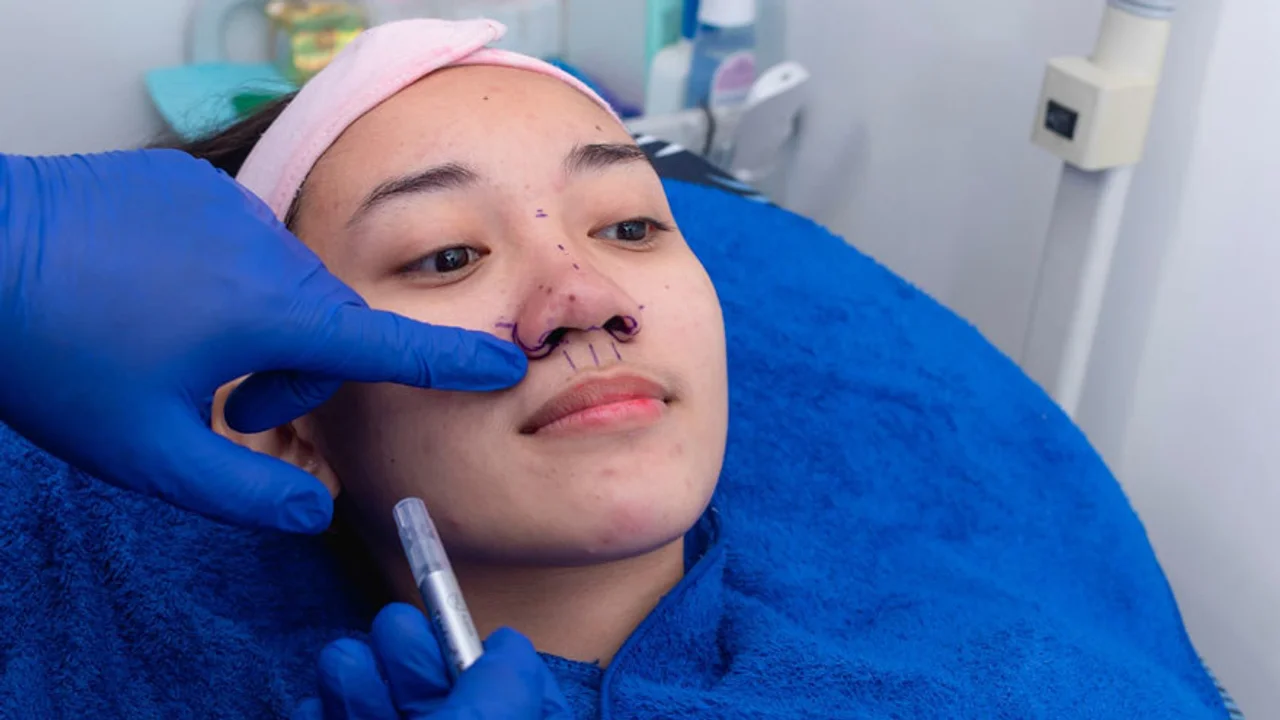
At TJ Plastic Surgery, many patients who consult us for nasal bridge enhancement express similar concerns:
The Korean Solution: Augmentation Rhinoplasty
At TJ Plastic Surgery, the gold-standard treatment for a low nasal bridge is augmentation rhinoplasty — a highly customized surgical procedure that enhances the height, shape, and definition of the nasal dorsum (bridge) using implants or autologous tissue.
How Does Augmentation Rhinoplasty Work?
There are two primary types of augmentation materials used during surgery:
1. Silicone Implants
Most commonly used material in Korea
Easily shaped, safe, and well-tolerated by the body
Ideal for moderate to significant height enhancement
Offers consistent projection and long-lasting structure
2. Gore-Tex (ePTFE) Implants
Slightly softer than silicone
Integrates more with surrounding tissue
Good option for thinner-skinned patients or those desiring a softer touch
3. Autologous Cartilage
Harvested from the patient’s ear (conchal cartilage), nasal septum, or rib
Fully natural, biocompatible, and minimizes risk of foreign body reaction
Often used for patients with prior implant concerns or structural damage
What Makes the Korean Approach Different?
One of the defining features of Korean cosmetic surgery — and of TJ Plastic Surgery in particular — is our emphasis on precision, personalization, and subtlety.
Is Non-Surgical Nose Enhancement an Option?
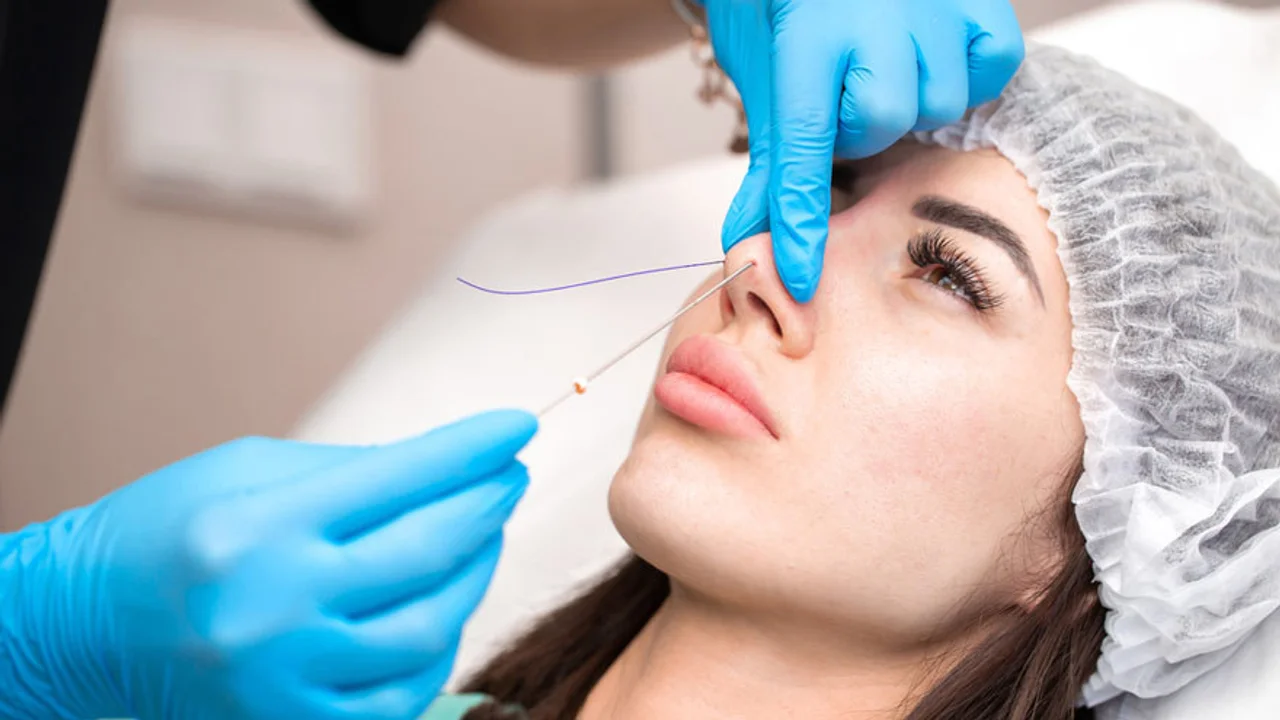
Benefits:
No downtime (return to work same day)
Immediate results
Reversible and adjustable
Ideal for first-timers or photo-focused enhancements
Limitations:
Lasts 6–12 months
Cannot address structural concerns or tip refinement
May not be suitable for all nose shapes or thicknesses
What to Expect After Augmentation Rhinoplasty
Healing is a crucial part of any surgical journey. At TJ Plastic Surgery, we prioritize comprehensive aftercare to ensure every patient heals beautifully — and comfortably.
Recovery Timeline:
Day 1–3: Swelling peaks; mild bruising around the eyes is common. Cold compresses and rest are recommended.
Day 5–7: Stitches removed (if external incision used); swelling begins to reduce.
Week 2–3: Majority of swelling subsides; patients feel confident returning to work or social events.
Month 1–3: Final shape and definition gradually settle into place.
Post-Operative Tips:
Avoid glasses for 2–4 weeks
Sleep with your head elevated
No strenuous exercise for 1–2 weeks
Use cold packs and anti-swelling supplements (as prescribed)
Attend all follow-ups for progress tracking
Is Augmentation Rhinoplasty Right for You?
Ultimately, the decision to undergo nasal bridge enhancement is deeply personal. But if you’re here, you may already be wondering: Is this what I need to feel more confident in my appearance?
Why Choose TJ Plastic Surgery?
Choosing the right clinic for rhinoplasty isn’t just about credentials — it’s about trust, artistry, and outcomes.
Final Thoughts: You Deserve a Profile That Reflects You
A low nasal bridge isn’t a flaw — but if it’s something that affects how you see yourself or how others perceive you, you have the right to explore your options.
More Articles
Continue reading clinical guides and plastic surgery resources from TJ Plastic Surgery.

What Forehead Reduction Surgery Can Do for Your Facial Aesthetic
Discover how forehead reduction surgery enhances facial aesthetics by creating a balanced, youthful look. Learn more about the benefits and process today!
Learn More

Consider a Minimally Invasive Facelift for a Youthful, Refreshed Appearance
Discover the benefits of a minimally invasive facelift for a youthful, refreshed look. Learn how this procedure can rejuvenate your appearance with less downtime.
Learn More

Why Facelift Surgery Is the Best Solution for Long-Lasting Results
Discover why facelift surgery offers the best long-lasting results for a youthful appearance. Learn more about its benefits and transformative effects today!
Learn More