For the best results, at the reliable and sincere TJ Plastic Surgery

Medical Guide
Skin Elasticity Treatment in Korea: Non-Surgical Options
Skin elasticity treatments in Korea use non-surgical threads and skin-rejuvenation tools for wrinkles and lifting. Learn candidacy, risks, and recovery.
Schedule a ConsultationImproving Skin Elasticity: Non-Surgical Options for Wrinkles and Lifting
Medically reviewed by Dr. Tack Jin Chang, Chief Director and Plastic Surgeon, TJ Plastic Surgery
What "Skin Elasticity" Means and Why It Declines
Skin elasticity is the skin's ability to stretch and then return to its original shape. It depends largely on two structural proteins in the deeper layers of the skin: collagen, which provides firmness and support, and elastin, which allows the skin to snap back. When these are plentiful and well organized, skin looks taut and springy. As they diminish, the skin becomes less resilient, and laxity and wrinkling become more noticeable.
How Elasticity Is Assessed at TJ Plastic Surgery
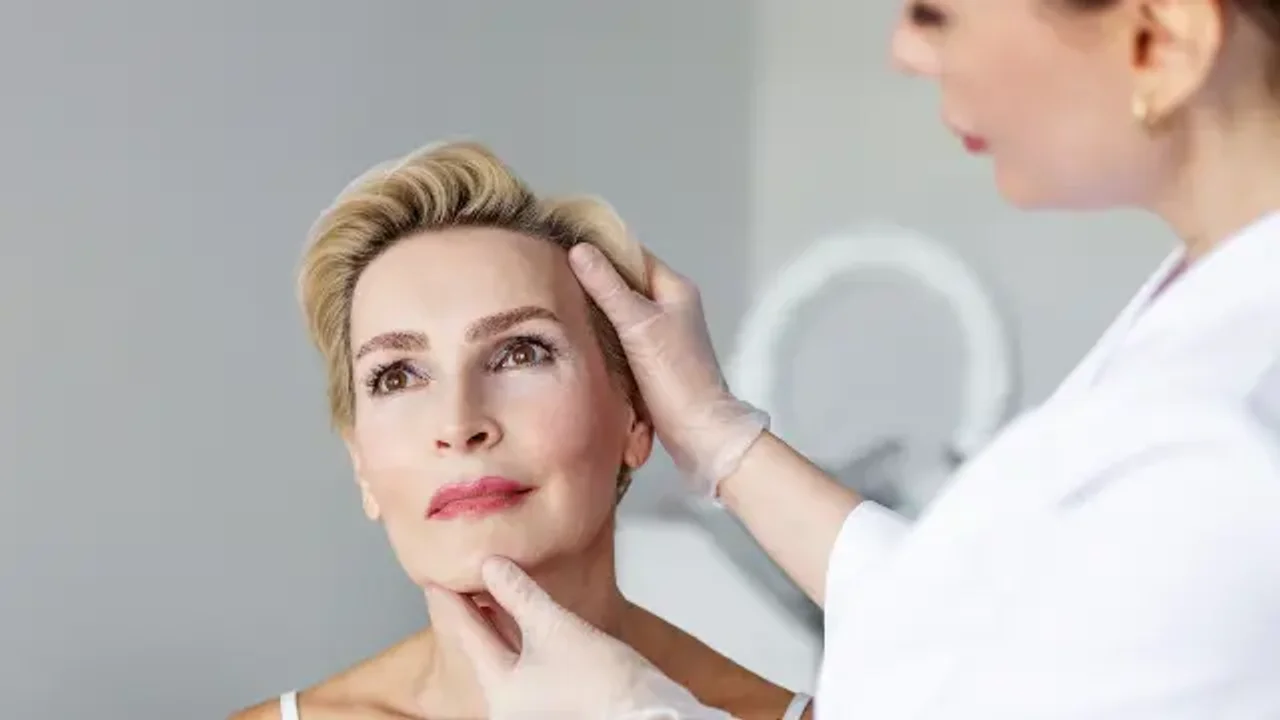
Assessment is the foundation of any elasticity treatment, because the right approach depends on how much laxity is present and where. TJ Plastic Surgery uses 3D facial imaging and digital elasticity mapping to evaluate the skin and underlying contours before recommending a plan. This kind of imaging helps document the current state of the face, identify areas of laxity, and guide where and how treatment tools should be placed.
Where the Non-Surgical Tier Fits Alongside Surgery
It is important to separate this non-surgical, maintenance-oriented tier from the clinic's surgical Facelift and its dedicated Thread Lifting content. The elasticity service described here is designed for people with early or mild-to-moderate laxity who want to support firmer-looking skin and address wrinkles without major surgery. It is not a replacement for a comprehensive facelift.
Treatment Tools: Threads, Micro-Cannulas, and Skin-Rejuvenation Equipment
The non-surgical elasticity service draws on several categories of tools, chosen and combined according to the individual assessment:
- Diverse medical-grade threads, placed beneath the skin to provide gentle mechanical support and to stimulate the skin's healing and collagen response.
- Micro-cannulas, thin blunt-tipped instruments that can be used to place products or threads with small entry points and less trauma than a sharp needle in some applications.
- Skin-rejuvenation equipment, which is part of the clinic's roster of aesthetic devices that the clinic describes as FDA-cleared. This roster includes the Ionzyme Environ system among others.
How Thread-Based Lifting Works
Thread-based lifting works in two complementary ways. First, there is a mechanical component: when threads are placed beneath the skin, they gently support and reposition soft tissue, producing a visible adjustment. Second, there is a biological component often called neocollagenesis, in which the presence of the threads prompts the body's healing response to lay down new collagen in the treated area over the following weeks.
Who Is a Good Candidate, and Who Is Not
Good candidates for the non-surgical elasticity tier are generally people with mild-to-moderate skin laxity and fine-to-moderate wrinkles who want to improve firmness and contour without undergoing surgery. Realistic expectations, reasonable general health, and an understanding that results vary are also part of good candidacy.
Risks and Side Effects
Every procedure carries some risk, and thread-based treatments are no exception. Being informed helps you weigh the decision and recognize what is normal versus what warrants a call to the clinic. Documented risks and side effects associated with thread-based lifting include:
- Temporary asymmetry between the two sides of the face
- Mild tenderness in the treated areas
- Skin dimpling at the entry points
- Thread migration or extrusion (movement of a thread, or a thread working its way toward the surface)
- Localized, temporary nerve irritation or numbness
Recovery and Downtime
One of the appeals of non-surgical elasticity treatment is comparatively short recovery. Documented recovery timelines are as follows:
How Long Results Last
Longevity depends on the specific approach and on individual factors, and it follows the two-part mechanism described earlier:
Safety Screening and Preparation
Appropriate screening supports safety. Baseline pre-procedure safety checks at the clinic include an electrocardiogram (ECG), a physical examination, and a chest X-ray. These help identify any issues before treatment and are part of the clinic's general safety approach, which also includes real-time patient monitoring and modern safety infrastructure.
The Bottom Line
- Non-surgical elasticity treatment suits mild-to-moderate laxity and fine-to-moderate wrinkles; significant structural sagging is generally better served by comprehensive surgery such as a deep-plane facelift.
- Assessment uses 3D facial imaging and digital elasticity mapping; tools include medical-grade threads, micro-cannulas, and skin-rejuvenation equipment the clinic describes as FDA-cleared (roster includes Ionzyme Environ).
- Documented risks include temporary asymmetry, mild tenderness, dimpling at entry points, thread migration or extrusion, and temporary nerve irritation or numbness; most are temporary.
- Recovery is typically 24 to 48 hours for thread lifts and 3 to 7 days for mini or endoscopic variations; benefits last roughly 12 to 24 months, with mini or endoscopic structural improvements lasting about 5 to 7 years.
- Baseline screening includes ECG, physical exam, and chest X-ray, and active smokers must abstain for 2 to 4 weeks before the procedure; results vary by individual.
Frequently Asked Questions
**Is a non-surgical elasticity treatment the same as a facelift?**No. This non-surgical, maintenance-tier approach is separate from a surgical facelift. It supports firmer-looking skin and addresses wrinkles and mild laxity using threads and skin-rejuvenation tools, but it cannot reposition deeper facial structures. Significant sagging is generally better addressed by comprehensive surgery.
More Articles
Continue reading clinical guides and plastic surgery resources from TJ Plastic Surgery.

What Forehead Reduction Surgery Can Do for Your Facial Aesthetic
Discover how forehead reduction surgery enhances facial aesthetics by creating a balanced, youthful look. Learn more about the benefits and process today!
Learn More

Consider a Minimally Invasive Facelift for a Youthful, Refreshed Appearance
Discover the benefits of a minimally invasive facelift for a youthful, refreshed look. Learn how this procedure can rejuvenate your appearance with less downtime.
Learn More
Why Facelift Surgery Is the Best Solution for Long-Lasting Results
Discover why facelift surgery offers the best long-lasting results for a youthful appearance. Learn more about its benefits and transformative effects today!
Learn More