For the best results, at the reliable and sincere TJ Plastic Surgery

Medical Guide
Partial Incision Double Eyelid Surgery: A Middle Ground
Partial incision double eyelid surgery sits between buried-suture and full-incision methods. Learn candidacy, recovery, trade-offs, and real risks.
Schedule a ConsultationPartial Incision Double Eyelid Surgery: A Middle Ground
Medically reviewed by Dr. Tack Jin Chang, Chief Director and Plastic Surgeon, TJ Plastic Surgery
Understanding Double Eyelid Surgery
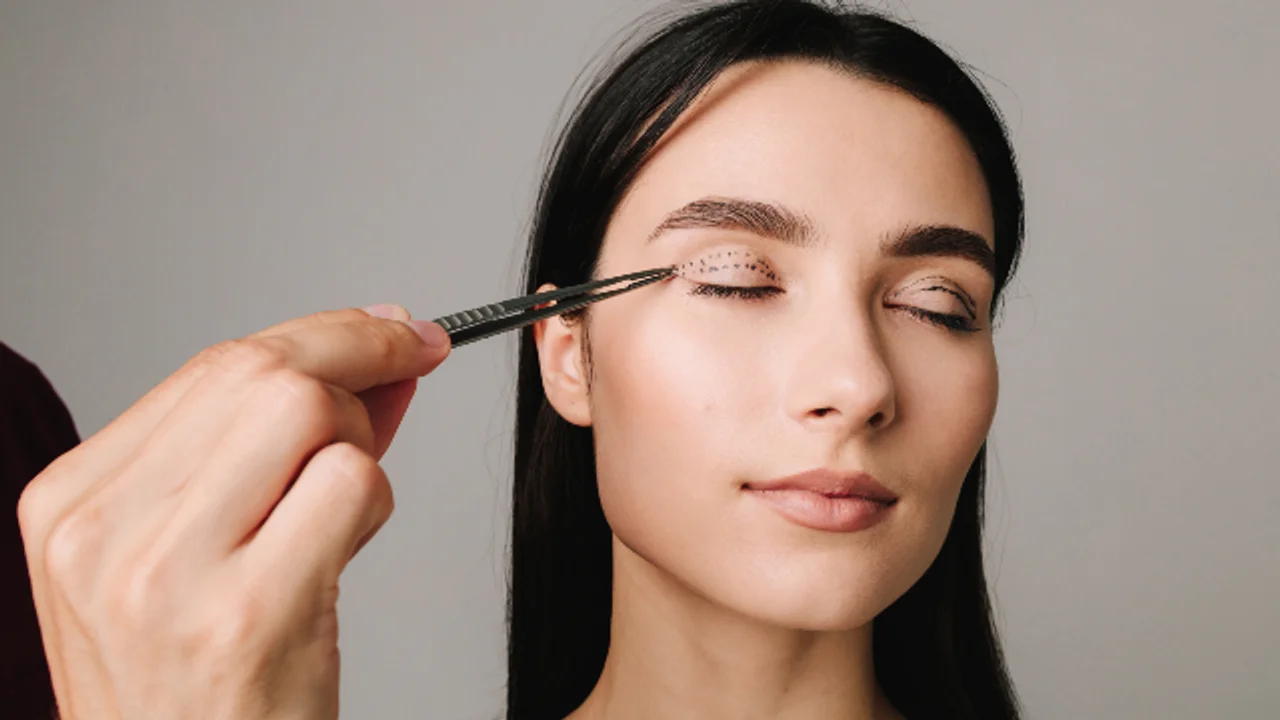
Double eyelid surgery creates or refines a crease in the upper eyelid so the eye appears more defined. In eyelids without a natural crease, often called monolids, the skin of the upper lid does not fold when the eye opens. The surgery forms a fold, which can make the eye look more open and can improve symmetry between the two eyes.
Anatomy helps explain why the procedure is designed the way it is. As described in the anatomical literature, including StatPearls, eyelids in many people of East Asian descent tend to have a lower or absent crease because of how the connective tissue layers of the eyelid attach relative to the eyelid margin. This is a normal anatomical variation, not a defect, and it is the reason crease-forming surgery is one of the more commonly performed aesthetic eyelid procedures among Asian populations worldwide.
The Three Main Techniques
There are three broad approaches to creating a double eyelid crease, and understanding all three makes it easier to see where the partial incision method fits.
Non-Incisional (Buried Suture) Method
The non-incisional or buried suture method creates a crease without a continuous incision. Instead, the surgeon uses tiny puncture points and fine sutures placed beneath the skin to anchor the eyelid tissue so a fold forms. TJ Plastic Surgery describes this buried method as creating a crease using small punctures and hidden sutures rather than an open cut.
Full-Incision Method
The full-incision method creates the crease through an incision made along the planned fold line. Through this opening, the surgeon can adjust excess skin or fat and secure the eyelid structures to form the fold. As TJ Plastic Surgery describes it, this approach is designed to achieve a more defined and longer-lasting crease than the non-incisional method.
Partial Incision Method
The partial incision method sits between the two. TJ Plastic Surgery describes it as a technique that creates a natural-looking crease through a small incision, removing excess fat when needed, and positions it as an intermediate option between the non-incisional and full-incision techniques. The idea is to gain selective access to remove a limited amount of fat and form a stable fold, while keeping the incision shorter than a full-incision approach. The clinic states that this aims for a stable, natural-looking result with reduced swelling and scarring compared with full incision, and a relatively short recovery period.
Who Is a Candidate for the Partial Incision Method
Candidacy is individual and can only be confirmed in person, but the partial incision technique is generally discussed for people whose eyelids fall between the profiles suited to the other two methods. According to TJ Plastic Surgery, suitable candidates often include individuals with mild to moderate upper eyelid fat, minimal excess skin, and those seeking a long-lasting yet minimally invasive double eyelid result.
In broad terms:
What the Procedure Involves
In the partial incision method, the surgeon makes a small incision along the planned eyelid crease line. Excess fat is removed when necessary, the eyelid fold is created and secured, and the incision is closed with minimal suturing. The clinic describes its approach as a minimal-incision technique that allows selective fat removal while preserving natural tissue, with the aim of a stable, natural-looking fold.
Recovery and Aftercare
Recovery from double eyelid surgery generally involves swelling and bruising around the eyes that eases over the following days and weeks. The partial incision method is designed to involve less swelling and a relatively quicker recovery than a full-incision approach, though it typically involves more downtime than the buried suture method because an incision is made and fat may be removed.
Risks and Trade-Offs to Weigh
Every double eyelid technique carries risks, and the partial incision method is no exception. General risks of eyelid surgery described in the medical literature include bleeding, infection, dry or irritated eyes, temporary changes in vision, difficulty fully closing the eyes, and, rarely, injury to the structures around the eye. Scarring is an inherent consideration with any incisional method; while the incision is placed in the crease to help conceal it, a surgical mark exists where an incision is made.
The Bottom Line
- Partial incision double eyelid surgery creates a crease through a small incision and is positioned as a middle ground between the non-incisional (buried suture) and full-incision methods.
- It is often considered for eyelids with mild to moderate fat and minimal excess skin, where a buried suture may not be enough but a full incision is more than needed.
- Compared with the full-incision method, it is designed to involve less swelling and a relatively quicker recovery; compared with the buried suture method, it generally offers a more durable crease but more downtime.
- Real risks include asymmetry, scarring where the incision is made, dry or irritated eyes, and the possibility of needing revision; results vary and cannot be guaranteed.
- The right technique depends on individual eyelid anatomy and goals and should be determined through an in-person evaluation.
Frequently Asked Questions
**How is partial incision different from the buried suture method?**The buried suture (non-incisional) method forms a crease with tiny punctures and hidden sutures and no continuous cut, which usually means faster recovery but a crease that may loosen over time. The partial incision method uses a small incision, allowing fat to be removed when needed and forming a more durable crease, at the cost of somewhat more downtime.
More Articles
Continue reading clinical guides and plastic surgery resources from TJ Plastic Surgery.

What Forehead Reduction Surgery Can Do for Your Facial Aesthetic
Discover how forehead reduction surgery enhances facial aesthetics by creating a balanced, youthful look. Learn more about the benefits and process today!
Learn More

Consider a Minimally Invasive Facelift for a Youthful, Refreshed Appearance
Discover the benefits of a minimally invasive facelift for a youthful, refreshed look. Learn how this procedure can rejuvenate your appearance with less downtime.
Learn More

Why Facelift Surgery Is the Best Solution for Long-Lasting Results
Discover why facelift surgery offers the best long-lasting results for a youthful appearance. Learn more about its benefits and transformative effects today!
Learn More