For the best results, at the reliable and sincere TJ Plastic Surgery


Medical Guide
Nasal Bridge Surgery: How It Can Enhance Your Profile
Discover how nasal bridge surgery can enhance your profile and boost confidence. Learn about the procedure, benefits, and results. Book a consultation today!
Schedule a ConsultationIntroduction

Primary Goals of Nasal Bridge Surgery
Nasal bridge surgery is performed for several key reasons, each aimed at improving facial aesthetics and boosting self-confidence. The main goals of this surgery include:
Sculpting the Nose for a Balanced Profile
A balanced, well-proportioned nose enhances the overall facial aesthetic. By adjusting the height and shape of the nasal bridge, the surgeon can refine the nose to achieve better facial harmony, making it more proportionate to other facial features.
Correcting Structural Issues
For many individuals, the shape of the nasal bridge is an issue of concern due to genetic factors, accidents, or congenital conditions. A low or flat bridge may create a “sunken” appearance, while a wide bridge may make the nose appear out of proportion. Nasal bridge surgery can address these structural concerns, bringing the nose in line with the patient's natural features.
Improving Facial Harmony and Symmetry
One of the most significant impacts of nasal bridge surgery is the improvement in facial symmetry. Small changes to the nose can significantly alter how the face is perceived, balancing out other features like the eyes, cheekbones, and jawline.
Raising Self-Esteem and Confidence
For many patients, improving the appearance of their nose can have a profound effect on their self-confidence. Whether it's enhancing facial aesthetics or correcting a functional issue like breathing problems, nasal bridge surgery can contribute to a renewed sense of self.
The Science Behind Nasal Bridge Surgery
Nasal bridge surgery is a delicate procedure that requires a thorough understanding of facial anatomy. The primary techniques involved include augmentation and reduction, depending on the patient’s needs.
How the Procedure Works
During nasal bridge surgery, the surgeon either adds or removes tissue, bone, or cartilage to shape the nose. If a patient’s bridge is flat or sunken, the surgeon may use a graft or implant to add height. In contrast, if the bridge is too prominent, the surgeon can reduce the bone or cartilage to refine the nose's contour.
Techniques Involved
Rhinoplasty is the term for a surgical procedure that reshapes the nose. There are two primary types: closed rhinoplasty and open rhinoplasty. Closed rhinoplasty involves making incisions inside the nostrils, while open rhinoplasty requires a small incision across the columella (the tissue between the nostrils). Both approaches allow for precise adjustments to the nasal bridge and other structures of the nose.
Augmentation Rhinoplasty may involve the use of synthetic implants or grafts from the patient's own body (usually taken from the ear, rib, or septum) to increase the height of the nasal bridge.
Reduction Rhinoplasty is used when a patient desires a more subtle profile, addressing an overly prominent nasal bridge by removing or reshaping the bone and cartilage.
Expected Results
After surgery, the nasal bridge will appear more defined, proportionate, and balanced with the rest of the face. For many patients, the results can be life-changing, giving them a more youthful, refined appearance that enhances their confidence.
Types of Nasal Bridge Surgery
There are several types of nasal bridge surgery tailored to the patient’s specific aesthetic desires and needs.

Rhinoplasty: Traditional and Non-Surgical Options
Augmentation: Use of Implants or Grafting
Reduction: Refining the Nasal Bridge
Customized Approach for Each Patient
Benefits of Nasal Bridge Surgery
Improved Facial Proportions and Symmetry
Increased Confidence and Better Self-Image
Personalized and Natural-Looking Results
The Procedure: What to Expect
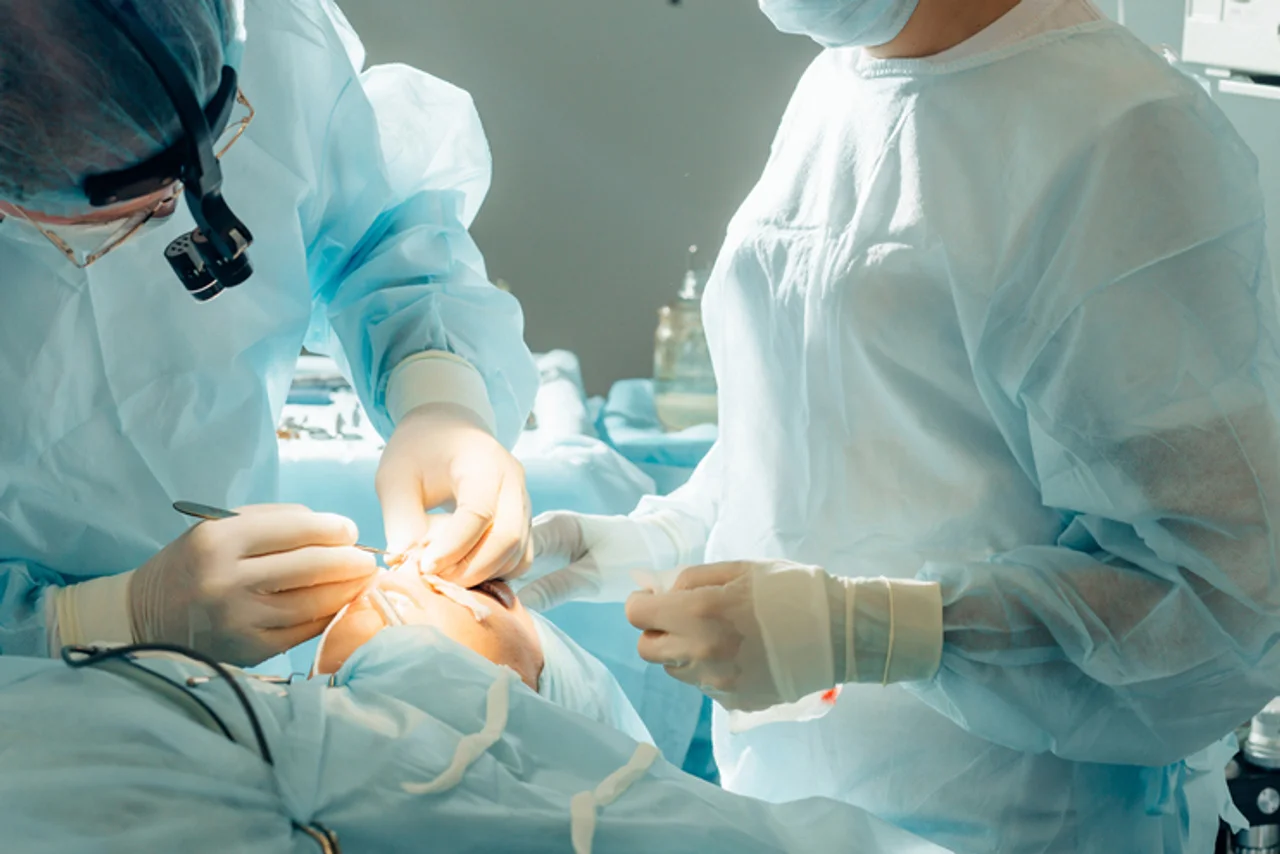
Pre-Op Consultation and Assessments
Surgical Process: Step-by-Step
Local vs. General Anesthesia
Duration of the Surgery
Recovery and Aftercare: Ensuring the Best Results
Immediate Aftercare and Post-Surgical Instructions
Common Side Effects and How to Manage Them
Recovery Timeline: What to Expect
Follow-up Appointments and Assessments
Risks and Considerations of Nasal Bridge Surgery
Potential Complications and How to Avoid Them
How to Minimize Risks by Choosing a Qualified Surgeon
Ensuring Safety and Success Through Comprehensive Pre-Surgical Screening
The Role of TJ Plastic Surgery in Nasal Bridge Surgery
Why Choose TJ Plastic Surgery for Your Nasal Bridge Surgery?
Expertise of Dr. Tack-Jin Chang
Cost of Nasal Bridge Surgery: Understanding the Investment

Why the Investment in a Skilled Surgeon Matters
Global Popularity of Nasal Bridge Surgery
Choosing the Right Surgeon for Nasal Bridge Surgery
Real-Life Examples and Testimonials
Frequently Asked Questions (FAQs)
How Long Does the Surgery Take?
What Is the Best Age for Nasal Bridge Surgery?
Will My Nasal Bridge Surgery Be Permanent?
Can I Combine Nasal Bridge Surgery with Other Cosmetic Procedures?
Conclusion
More Articles
Continue reading clinical guides and plastic surgery resources from TJ Plastic Surgery.

What Forehead Reduction Surgery Can Do for Your Facial Aesthetic
Discover how forehead reduction surgery enhances facial aesthetics by creating a balanced, youthful look. Learn more about the benefits and process today!
Learn More

Consider a Minimally Invasive Facelift for a Youthful, Refreshed Appearance
Discover the benefits of a minimally invasive facelift for a youthful, refreshed look. Learn how this procedure can rejuvenate your appearance with less downtime.
Learn More

Why Facelift Surgery Is the Best Solution for Long-Lasting Results
Discover why facelift surgery offers the best long-lasting results for a youthful appearance. Learn more about its benefits and transformative effects today!
Learn More