For the best results, at the reliable and sincere TJ Plastic Surgery
Medical Guide
Middle-Aged Eye Surgery: How It Can Revitalize Your Appearance
Discover how middle-aged eye surgery can rejuvenate your look, reduce signs of aging, and boost confidence. Learn more about this transformative option!
Schedule a ConsultationIntroduction
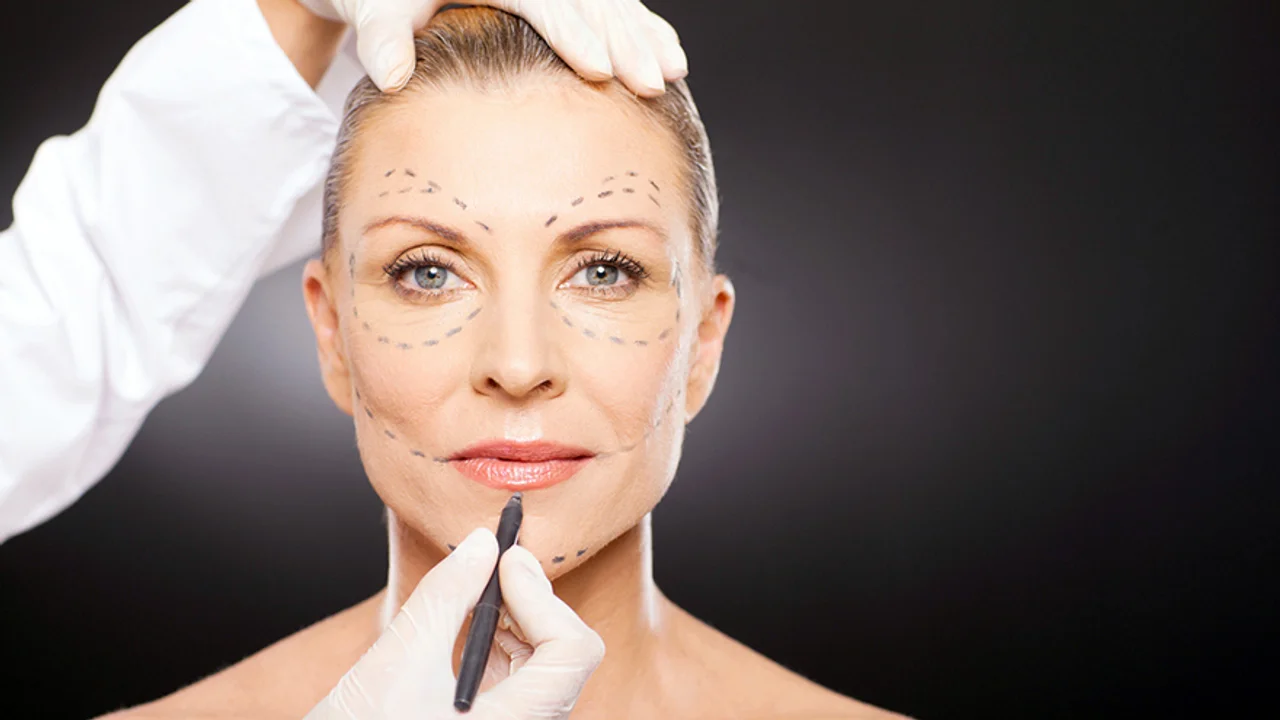
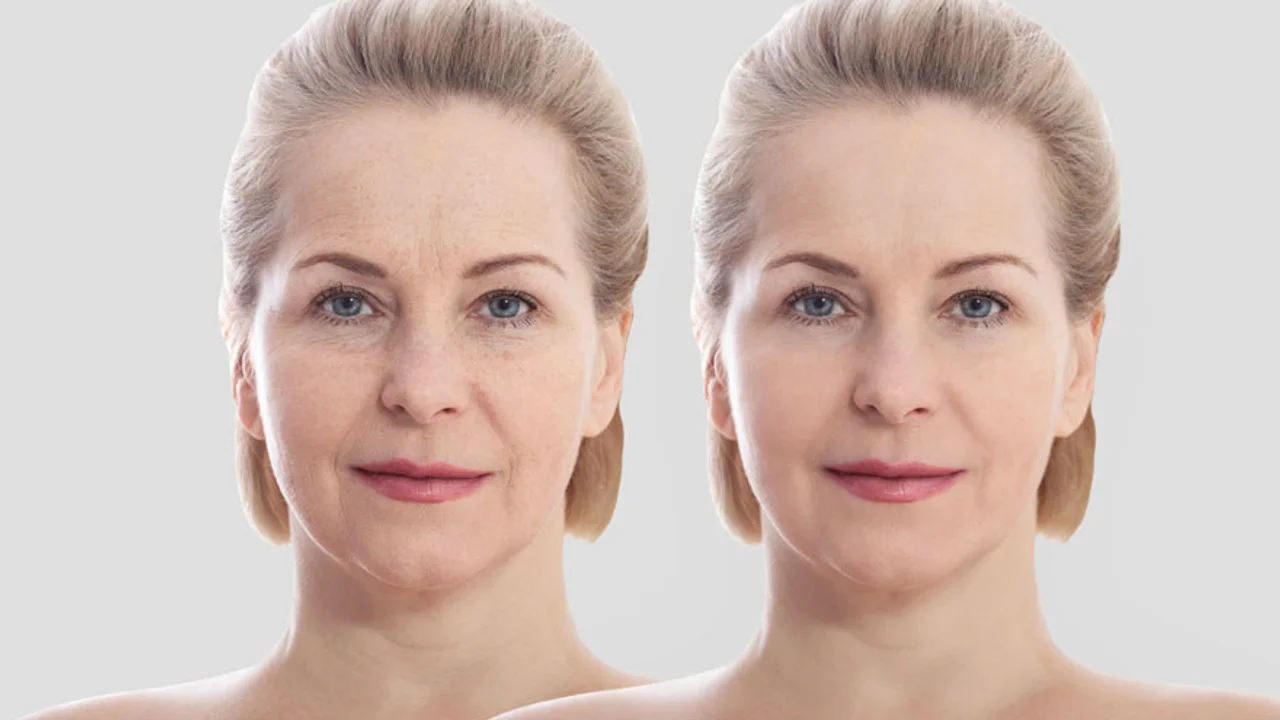
When people begin to notice signs of aging in their 40s and 50s, the eyes are often the first area they focus on. It's not just about a few wrinkles — sagging eyelids, under-eye bags, and a tired expression can make someone look older or more fatigued than they feel. For many, this change isn’t just cosmetic — it affects self-confidence and how others perceive them.
At TJ Plastic Surgery in Gangnam, we’ve seen firsthand how middle-aged eye surgery can transform not only someone’s appearance, but also their outlook. In this article, we’ll explain what middle-aged eye surgery involves, why it's so effective, and how the right approach — especially one tailored to your unique facial anatomy — can create subtle yet striking results.
Why the Eyes Show Age First
To understand why eye rejuvenation is so important, we need to look at how aging affects the area around the eyes.
The skin here is thinner and more delicate than anywhere else on the face. As collagen production decreases with age, the skin begins to loosen. The fat pads beneath the eyes may shift or become more prominent. The muscles that hold the eyelids up weaken over time. The result? Droopy upper eyelids, puffy under-eye bags, and a generally tired look — even when you're well-rested.
In Korea, where a bright and youthful appearance is often culturally associated with vitality and approachability, these signs can feel especially discouraging.
What Is Middle-Aged Eye Surgery?
Middle-aged eye surgery typically refers to blepharoplasty, or eyelid surgery, tailored specifically for patients in their 40s to 60s. It can address the upper eyelids, lower eyelids, or both — depending on the patient’s concerns.
Unlike the more dramatic procedures of the past, modern eye surgery — especially here at TJ Plastic Surgery — focuses on refinement rather than transformation. Our goal is not to make you look like someone else, but like a more refreshed version of yourself.
Common Issues Treated:
Sagging or hooded upper eyelids
Deep under-eye grooves ("tear troughs")
Fat bulging or eye bags
Dark circles due to hollowing or fat displacement
Drooping outer corners of the eyes
Why Middle Age Is the Ideal Time
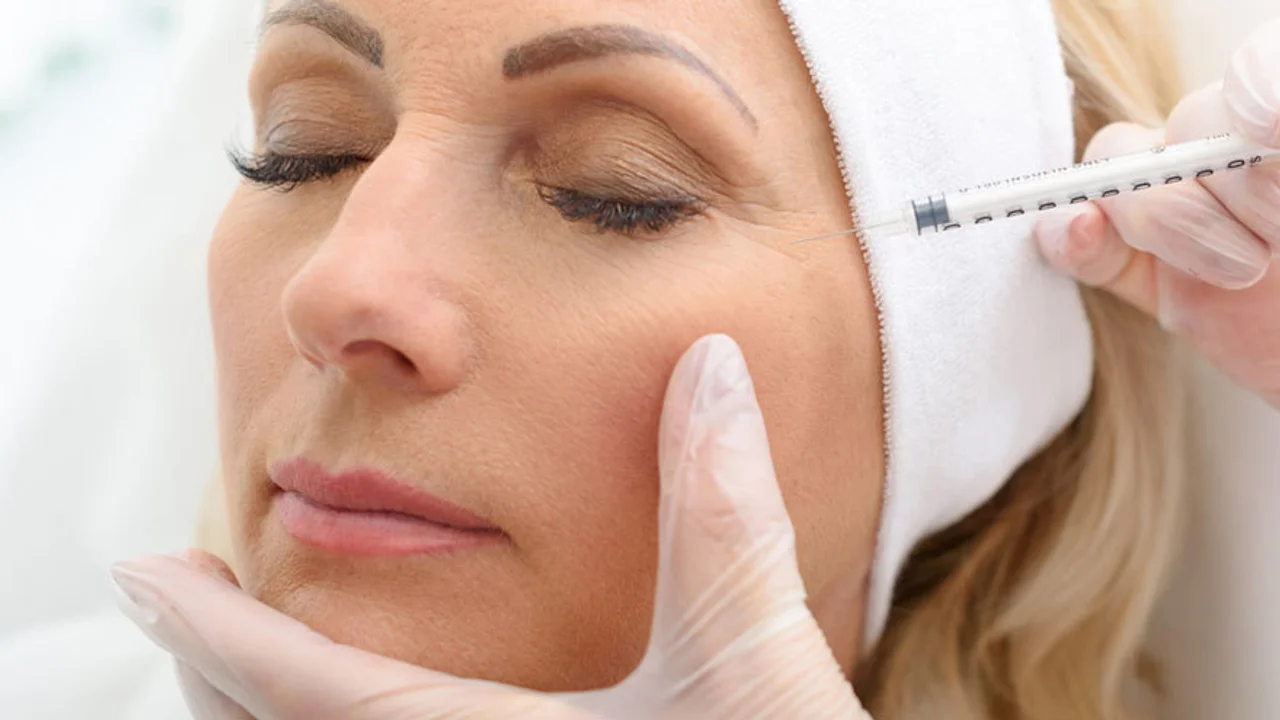
You might wonder: Isn’t eye surgery something people wait until later in life to consider? Actually, middle age is often the ideal window.
By this stage, many people begin to see more permanent structural changes that no cream or filler can fully address. But the skin still has enough elasticity to heal well and produce natural-looking results.
Think of it this way: if the eyes are the window to the soul, middle-aged eye surgery is like polishing the glass before it becomes too weathered. You don’t need to overhaul the window frame — just restore clarity and brightness.
Blepharoplasty vs. Non-Surgical Options
Patients sometimes ask whether they should try non-invasive treatments first. While botox, dermal fillers, or laser treatments can improve mild signs of aging, they can’t address structural issues like sagging skin or displaced fat.
Here’s a quick comparison:
At TJ Plastic Surgery, we often combine surgical and non-surgical treatments — but only when it enhances the outcome, not just for the sake of trend.
The TJ Plastic Surgery Approach: Precision Meets Personalization
At our clinic in Seoul’s Gangnam District — a global hub for aesthetic innovation — Dr. Tack-Jin Chang and our surgical team approach every eye procedure with surgical precision and artistic sensitivity.
We treat the eye area as a delicate balance of muscle, skin, and fat, all shaped by your unique genetics and facial structure. That’s why we never use a “one-size-fits-all” technique.
Instead, we customize each blepharoplasty to:
Preserve natural expression (no frozen or “overdone” look)
Maintain ethnic characteristics (especially important for Asian eyelid surgery)
Minimize scarring using hidden incisions and micro-sutures
Ensure smooth transitions between the eyelid and cheek area
In many middle-aged patients, we also address the canthal tilt (the angle of the eye corners), which can droop over time and subtly change how alert or youthful someone looks.
Recovery: What You Should Expect
Here’s a general timeline:
Realistic Results, Long-Term Benefits
What people often overlook is how powerful a small change in the eye area can be. It can restore symmetry, bring back brightness, and soften expressions that may have become unintentionally stern or tired-looking.
Is This Surgery Right for You?
If you’re in your 40s or 50s and starting to feel like your eyes don’t reflect how vibrant you feel inside, you’re not alone. Middle-aged eye surgery is not about changing who you are — it’s about reclaiming your natural vitality.
You might be a good candidate if:
Final Thoughts: Restore, Don’t Replace
At TJ Plastic Surgery, we believe that great cosmetic surgery doesn’t erase your age — it refines and elevates it.
More Articles
Continue reading clinical guides and plastic surgery resources from TJ Plastic Surgery.

What Forehead Reduction Surgery Can Do for Your Facial Aesthetic
Discover how forehead reduction surgery enhances facial aesthetics by creating a balanced, youthful look. Learn more about the benefits and process today!
Learn More

Consider a Minimally Invasive Facelift for a Youthful, Refreshed Appearance
Discover the benefits of a minimally invasive facelift for a youthful, refreshed look. Learn how this procedure can rejuvenate your appearance with less downtime.
Learn More
Why Facelift Surgery Is the Best Solution for Long-Lasting Results
Discover why facelift surgery offers the best long-lasting results for a youthful appearance. Learn more about its benefits and transformative effects today!
Learn More