For the best results, at the reliable and sincere TJ Plastic Surgery

Medical Guide
Keloid-Prone Skin and Plastic Surgery: What Darker or Scar-Prone Skin Types Should Know
Keloid-prone or darker skin and considering surgery? Learn how surgeons assess scar risk, plan to minimize scarring, and why scar history matters.
Schedule a ConsultationKeloid-Prone Skin and Plastic Surgery: What Darker or Scar-Prone Skin Types Should Know
Medically reviewed by Dr. Tack Jin Chang, Chief Director and Plastic Surgeon, TJ Plastic Surgery
Every surgical incision leaves a scar, and for most people that scar fades and flattens over time. For some people, however, the healing process produces raised scars, known as hypertrophic scars or keloids, and this tendency is reported more often in individuals with darker skin. If you have keloid-prone or scar-prone skin, it is natural to wonder what that means for plastic surgery. The reassuring reality is that a scarring tendency is not a barrier to being cared for; it is simply important information that a surgeon uses to plan thoughtfully. This guide explains, in evidence-based and supportive terms, how keloids and hypertrophic scars form, how a surgeon assesses your risk, what can be done to minimize and manage scarring, and why being open about your scar history matters. It is educational and does not replace a personalized consultation.
Understanding Keloids and Hypertrophic Scars
Scars form as a normal part of wound healing. When skin is injured, the body produces collagen to close and repair the wound. In most cases this process is well regulated and the resulting scar is flat and pale. In keloids and hypertrophic scars, the process becomes excessive, and the scar tissue is raised, firm, and often more noticeable than an ordinary scar.
Who Is More Likely to Develop Them
Keloids and hypertrophic scars can occur in anyone, but the clinical literature reports that keloids are more common in people with darker skin, including those of African, Asian, and Hispanic descent. StatPearls notes this higher reported incidence in more darkly pigmented skin, and it is a factual observation from the medical literature rather than a judgment about any group.
How a Surgeon Assesses Keloid Risk
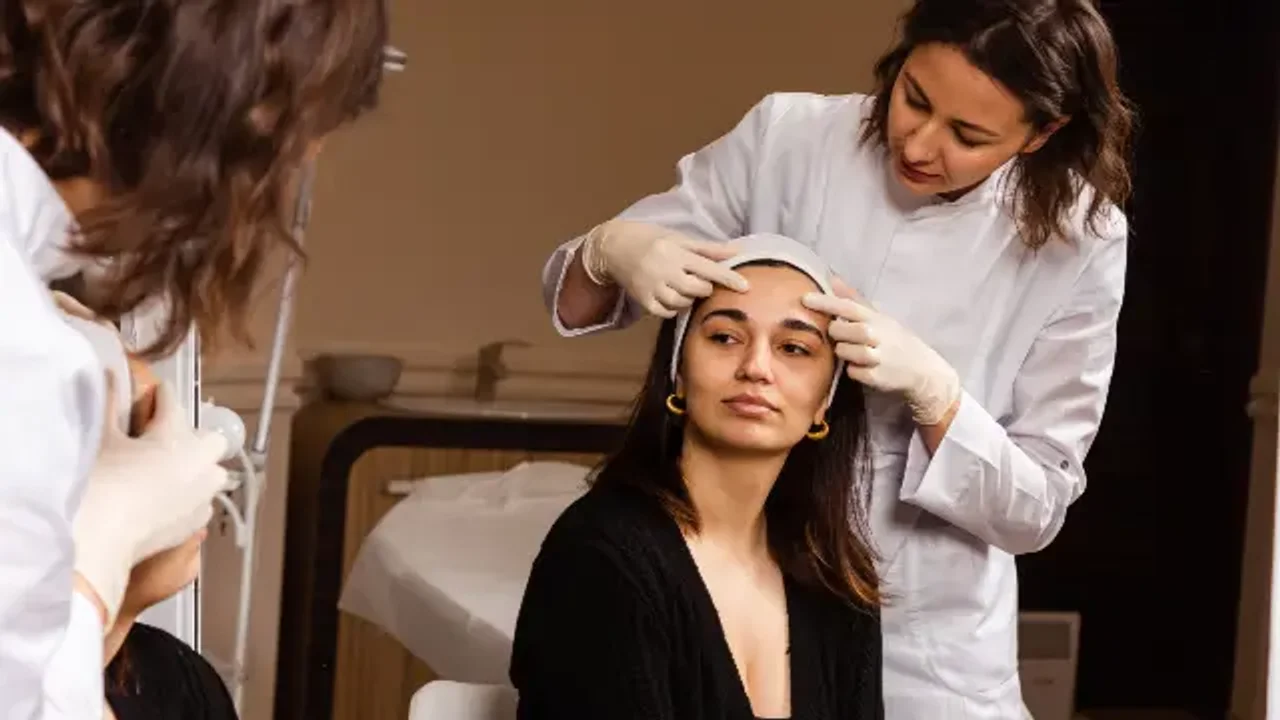
A careful assessment of scarring risk begins with your history. A surgeon will typically ask whether you have had keloids or thickened scars before, whether close family members have, and how previous wounds, piercings, or surgeries healed. Because past healing behavior is one of the most informative predictors, this conversation is central rather than a formality.
Scar-Minimizing Surgical Planning
While no technique can eliminate scarring, thoughtful surgical planning can reduce how noticeable a scar is likely to be. Surgeons consider where and how to place incisions, aiming when possible to position them in less conspicuous locations or along natural lines and creases. The length and orientation of an incision, and careful, tension-reducing closure, all influence how a scar matures.
Managing and Treating Problem Scars
When a raised or problematic scar does form, or when someone already has a keloid they would like addressed, several management approaches exist. The clinical literature describes a range of options that may be used alone or in combination depending on the scar. These commonly include pressure therapy and silicone gel or sheeting, corticosteroid injections into the scar, and other measures a clinician may recommend for a particular case. Because keloids in particular can be stubborn and can recur even after treatment, management is often about improvement rather than complete removal, and more than one modality is sometimes used.
Why Disclosing Your Scar History Matters
Perhaps the single most useful thing a scar-prone patient can do is to be open about their history. Telling your surgeon that you have formed keloids or thickened scars before, or that they run in your family, gives the surgeon the information needed to plan appropriately, to set realistic expectations, and to prepare a scar-management approach in advance. Withholding this information, even unintentionally, removes an opportunity to plan around it.
Honest Limits and Realistic Expectations
An honest discussion of scarring includes its limits. Every surgery leaves a scar, and no surgeon, technique, or treatment can guarantee how any individual's scar will turn out. This is especially true for people prone to keloids and hypertrophic scars, where the healing response itself is more difficult to predict and where scars can sometimes recur even after careful treatment.
The Bottom Line
- Keloids and hypertrophic scars result from an over-active wound-healing response, not from anything a person did wrong, and they are reported more often in people with darker skin per the clinical literature.
- A scarring tendency is not a barrier to plastic surgery; it is individual information a surgeon uses to plan thoughtfully.
- A surgeon assesses risk through your personal and family scar history, existing scars, the planned incisions, and your skin type considered together.
- Thoughtful incision planning and a scar-management approach can reduce how noticeable a scar is, and options exist to treat problem scars, though keloids can recur.
- No one can guarantee a scar outcome; results vary, so disclosing your history and setting realistic expectations with a qualified surgeon matters most.
Frequently Asked Questions
**What is the difference between a keloid and a hypertrophic scar?**Both are raised scars from an over-active healing response. According to the clinical literature, keloids grow beyond the borders of the original wound and tend not to regress on their own, while hypertrophic scars generally stay within the wound's borders and may improve over time. They can behave and respond differently, which is why assessment matters.
More Articles
Continue reading clinical guides and plastic surgery resources from TJ Plastic Surgery.

What Forehead Reduction Surgery Can Do for Your Facial Aesthetic
Discover how forehead reduction surgery enhances facial aesthetics by creating a balanced, youthful look. Learn more about the benefits and process today!
Learn More

Consider a Minimally Invasive Facelift for a Youthful, Refreshed Appearance
Discover the benefits of a minimally invasive facelift for a youthful, refreshed look. Learn how this procedure can rejuvenate your appearance with less downtime.
Learn More

Why Facelift Surgery Is the Best Solution for Long-Lasting Results
Discover why facelift surgery offers the best long-lasting results for a youthful appearance. Learn more about its benefits and transformative effects today!
Learn More