For the best results, at the reliable and sincere TJ Plastic Surgery
Medical Guide
Is Nasal Tip Surgery the Right Solution for Your Nose?
Discover if nasal tip surgery is the right choice for your nose. Explore benefits, risks, and what to expect in this guide to nose tip surgery.
Schedule a ConsultationIntroduction
1. Aesthetic Goals
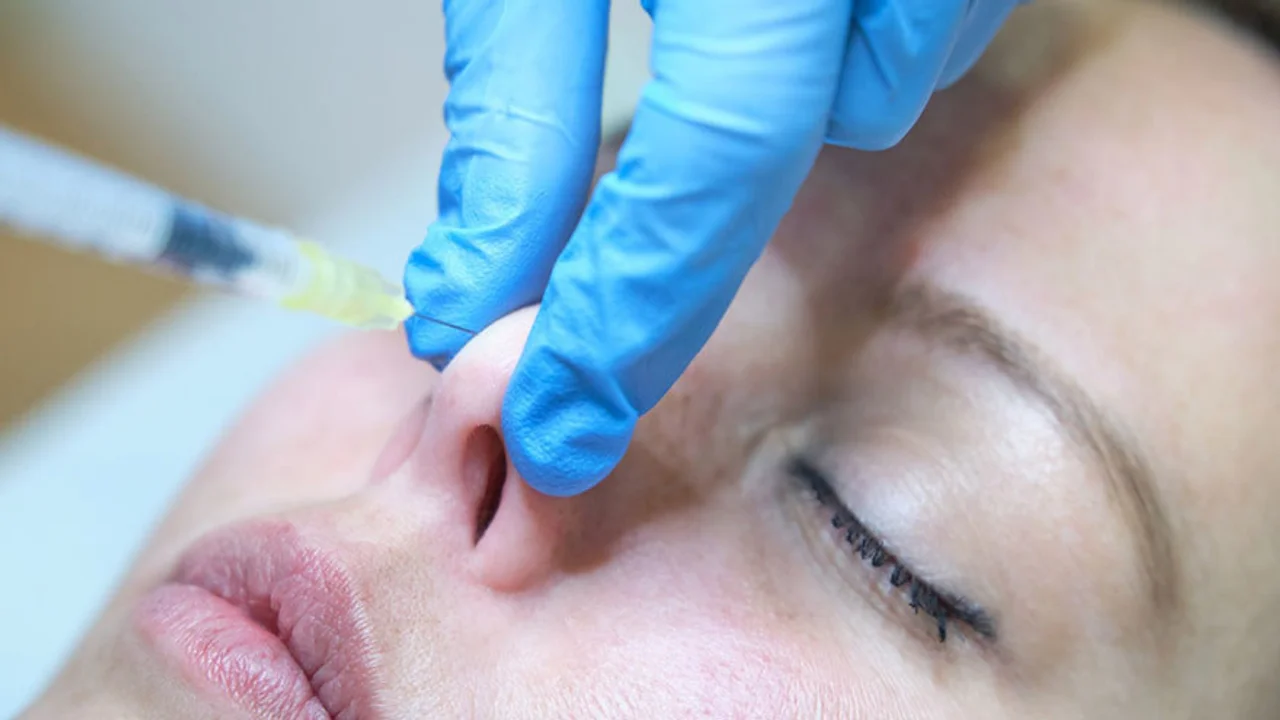
One of the primary reasons people seek nasal tip surgery is to enhance the aesthetic appearance of their nose. The nasal tip is a key feature of the nose that can greatly affect facial balance. Whether you feel your nose is too large, too small, or simply lacks definition, tip rhinoplasty can provide a solution that results in a more harmonious look. It is essential, however, to have clear aesthetic goals before pursuing surgery.
Refining a Bulbous Tip
A bulbous nasal tip is often caused by excessive cartilage or fatty tissue at the tip of the nose, creating a round or wide appearance. Tip rhinoplasty can sculpt the cartilage, reducing its size and creating a more defined, proportionate tip. For many individuals, this subtle change can make a big difference in overall facial aesthetics.
Correcting a Drooping Tip
A drooping nasal tip can occur due to natural aging, genetics, or trauma. A drooping tip can sometimes make a person appear older or less confident. During tip rhinoplasty, the surgeon may lift the tip or change the angle of the nose, resulting in a more youthful and balanced appearance.
Improving Tip Projection
Projection refers to how far the tip of the nose extends from the face. Some individuals may have a nose where the tip is too flat or lacking projection, which can make the face appear less defined. Tip rhinoplasty can address this by adding projection to the tip to create better definition and balance with the rest of the face.
Achieving Symmetry
Facial symmetry is a common goal of aesthetic procedures, and the nose plays a major role in this balance. If your nasal tip is uneven, crooked, or asymmetrical, tip rhinoplasty can make adjustments to create a more symmetrical appearance, aligning it with the rest of your facial features.
2. Nasal Anatomy Considerations

Nasal Tip Shape
Tip rhinoplasty primarily focuses on the cartilage and skin of the nasal tip. It involves reshaping or removing excess cartilage or tissue, depending on the goals of the procedure. Surgeons often use techniques like cartilage resection (removing portions of cartilage) or cartilage grafting (adding cartilage from another area of the body or donor sites) to achieve the desired results. If the tip of the nose is too large, too small, or has structural abnormalities, these techniques can refine its shape.
Skin Type
The thickness and elasticity of your nasal skin can affect the final results of tip rhinoplasty. Patients with thicker skin may experience more swelling and longer recovery times. Additionally, thicker skin may obscure the results of subtle changes to the nasal cartilage. On the other hand, thinner skin allows for more visible definition and sharper contours, but it may also be more prone to scarring.
Nasal Cartilage and Structure
The strength and flexibility of your nasal cartilage are also key considerations. The nasal tip relies on cartilage to maintain its shape, and some individuals have weaker cartilage or abnormal growth. This may require additional work or cartilage grafting during surgery. A qualified surgeon will assess the structural integrity of your nasal tip and recommend the most appropriate technique based on your anatomy.
3. Health and Age Requirements
Before undergoing any surgery, it’s essential to ensure that you meet certain health and age requirements. These factors contribute to a smoother recovery process and better overall outcomes.
Age
Age is an important factor when considering tip rhinoplasty. The nose typically stops growing around age 16 for women and age 18 for men. Performing surgery before this point can interfere with natural development and may result in less predictable outcomes. For patients under 18, surgeons typically wait until growth is complete before considering rhinoplasty.
Health Status
Good general health is crucial for a successful procedure. Those with chronic conditions such as heart disease, diabetes, or respiratory issues should carefully discuss their medical history with the surgeon. Certain health conditions can increase the risk of complications during surgery or hinder recovery.
Psychological Readiness
Lastly, it’s essential to assess your psychological readiness for the procedure. This means having realistic expectations and understanding that the goal of surgery is to enhance your appearance, not to create a “perfect” nose. Patients with underlying psychological conditions like body dysmorphia should seek professional guidance before proceeding with surgery.
4. Managing Expectations

Realistic Goals
Tip rhinoplasty can help you achieve a more refined and balanced appearance, but it may not give you the exact nose you envision. The aim of surgery is to improve the overall harmony of your face, not necessarily to achieve a “perfect” nose. Discussing your goals with the surgeon and understanding the limits of the procedure will ensure that you’re satisfied with the results.
Long-Term Outcomes
5. Recovery and Potential Risks
Recovery Process
Risks and Complications
6. Choosing the Right Surgeon
Conclusion
More Articles
Continue reading clinical guides and plastic surgery resources from TJ Plastic Surgery.

What Forehead Reduction Surgery Can Do for Your Facial Aesthetic
Discover how forehead reduction surgery enhances facial aesthetics by creating a balanced, youthful look. Learn more about the benefits and process today!
Learn More

Consider a Minimally Invasive Facelift for a Youthful, Refreshed Appearance
Discover the benefits of a minimally invasive facelift for a youthful, refreshed look. Learn how this procedure can rejuvenate your appearance with less downtime.
Learn More
Why Facelift Surgery Is the Best Solution for Long-Lasting Results
Discover why facelift surgery offers the best long-lasting results for a youthful appearance. Learn more about its benefits and transformative effects today!
Learn More