For the best results, at the reliable and sincere TJ Plastic Surgery

Medical Guide
Hyperhidrosis Botox for Excessive Sweating: How It Works
How hyperhidrosis Botox reduces excessive sweating, what results to expect, FDA-approved underarm use, side effects, and candidacy at TJ Plastic Surgery.
Schedule a ConsultationHyperhidrosis Botox for Excessive Sweating: How It Works
Medically reviewed by Dr. Tack Jin Chang, Chief Director and Plastic Surgeon, TJ Plastic Surgery
Hyperhidrosis Botox is a non-surgical option many people consider when excessive sweating soaks through clothing, interferes with work or social life, and does not respond to ordinary antiperspirants. The treatment uses small injections of botulinum toxin to reduce the nerve signals that trigger sweat glands in a treated area. At TJ Plastic Surgery in Gangnam, Seoul, hyperhidrosis Botox is offered as one approach for people who find sweat-reduction surgery too burdensome and prefer a less invasive option. This article explains how the treatment works, what the evidence and regulations actually say, who tends to be a candidate, and what realistic results and side effects look like.
What Hyperhidrosis Is
Hyperhidrosis is a medical term for sweating that goes beyond what the body needs to regulate its temperature. People with the condition may sweat heavily even when it is cool or when they are resting, and the sweating can be unpredictable. According to Mayo Clinic, heavy sweating can soak through clothing or drip from the hands and often causes social anxiety and embarrassment.
Doctors generally distinguish between two broad categories:
- Primary focal hyperhidrosis, where excessive sweating affects specific areas such as the underarms (axillae), palms, soles of the feet, or face, usually without an underlying medical cause. This type often begins in childhood or adolescence.
- Secondary hyperhidrosis, where excessive sweating is caused by another condition or by a medication. MedlinePlus notes that causes of excessive sweating can include thyroid or nervous system disorders, low blood sugar, infections, and certain medicines.
How Botulinum Toxin Reduces Sweating
Sweat glands are activated by nerves that release a chemical messenger called acetylcholine. When acetylcholine reaches the gland, it signals the gland to produce sweat. Botulinum toxin type A works by temporarily blocking the release of acetylcholine at the junction between these nerves and the sweat glands. With the signal interrupted, the treated glands produce noticeably less sweat.
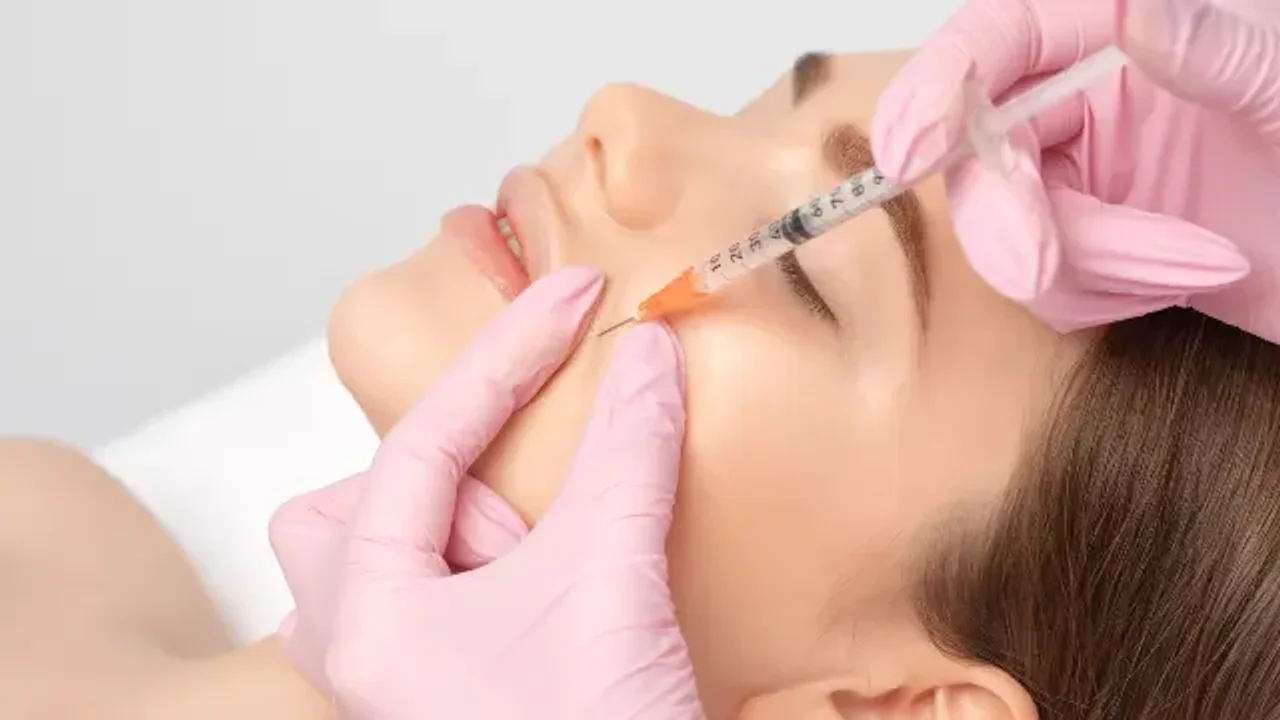
The effect is local and limited to the area where the product is injected. For underarm treatment, a clinician typically uses a very fine needle to place a series of small injections spread across the treatment zone. Because the toxin acts only where it is placed, sweating in untreated parts of the body is not affected.
What the FDA Approval Actually Covers
Regulatory precision matters here, because marketing around sweating treatments can blur the details. In the United States, onabotulinumtoxinA (marketed as Botox) is FDA-approved for the treatment of severe primary axillary hyperhidrosis — that is, severe underarm sweating — that is not adequately managed with topical agents. This is an approved medical indication, not an off-label use.
Hyperhidrosis Botox at TJ Plastic Surgery
TJ Plastic Surgery is a plastic and cosmetic surgery clinic established in 2017 in Gangnam, Seoul, operating under a single-doctor care model in which Dr. Tack Jin Chang personally handles consultation, treatment, and follow-up. Dr. Tack Jin Chang is a plastic surgery specialist and a member of the Korean Board of Plastic Surgery. The clinic's documented material describes more than ten years of experience with hyperhidrosis Botox treatment and frames it as an option aimed at improving excessive-sweating symptoms.
Who May Be a Candidate
Based on the clinic's documented profile, people who tend to consider hyperhidrosis Botox include those who:
What to Expect and Realistic Results
An underarm treatment session is usually brief. After the area is cleaned and, in many cases, mapped to identify where sweating is most active, a fine needle is used to place a series of shallow injections. Most people return to routine activities the same day, though your clinician will give specific guidance.
Possible Side Effects and Risks
As with any injectable medical treatment, botulinum toxin carries potential side effects. These can include:
How It Compares With Other Options
Botulinum toxin injections are one tool among several for excessive sweating. Mayo Clinic notes that treatment often begins with antiperspirants, and that other medications, therapies such as iontophoresis, and, in severe cases, surgical options may be considered. Surgical approaches aim to reduce sweat glands or interrupt the nerves involved and are more involved procedures with their own recovery and risks.
The Bottom Line
- Hyperhidrosis Botox uses botulinum toxin to temporarily block the nerve signals that activate sweat glands, reducing sweating in the treated area without removing the glands.
- OnabotulinumtoxinA (Botox) is FDA-approved in the US for severe primary axillary (underarm) hyperhidrosis; use in other body areas is off-label, and MFDS or CE status is not the same as FDA approval.
- The effect is temporary and repeat treatments are needed; it manages symptoms rather than curing the condition, and results vary by individual.
- Possible side effects include injection-site reactions and, less commonly, effects on nearby muscles; a full medical history and in-person evaluation are essential.
- At TJ Plastic Surgery, treatment is provided under a single-doctor model by Dr. Tack Jin Chang; a consultation determines whether this or another approach fits your concern.
Frequently Asked Questions
**Does hyperhidrosis Botox cure excessive sweating?**No. It temporarily reduces sweating in the treated area by blocking nerve signals to the sweat glands. It does not remove the glands or cure the underlying tendency to sweat, so the effect fades over time and treatments are repeated to maintain it.
More Articles
Continue reading clinical guides and plastic surgery resources from TJ Plastic Surgery.
What Forehead Reduction Surgery Can Do for Your Facial Aesthetic
Discover how forehead reduction surgery enhances facial aesthetics by creating a balanced, youthful look. Learn more about the benefits and process today!
Learn More
Consider a Minimally Invasive Facelift for a Youthful, Refreshed Appearance
Discover the benefits of a minimally invasive facelift for a youthful, refreshed look. Learn how this procedure can rejuvenate your appearance with less downtime.
Learn More
Why Facelift Surgery Is the Best Solution for Long-Lasting Results
Discover why facelift surgery offers the best long-lasting results for a youthful appearance. Learn more about its benefits and transformative effects today!
Learn More