For the best results, at the reliable and sincere TJ Plastic Surgery


Medical Guide
How Long Does Korean Nose Surgery Last? Get the Facts
Discover how long Korean nose surgery results last, what affects longevity, and expert tips for maintaining outcomes. Get the facts now!
Schedule a ConsultationIntroduction

In the world of cosmetic enhancement, few procedures are as transformative — or as culturally significant — as Korean nose surgery, often referred to as rhinoplasty. In South Korea, where beauty standards are meticulous and facial harmony is deeply valued, rhinoplasty is not only common — it’s an art form.
But one question we often hear from patients, both local and international, is:
“How long does Korean nose surgery last?”
It’s an important question — and like many things in cosmetic surgery, the answer is more nuanced than a simple number.
At TJ Plastic Surgery, located in the heart of Gangnam, Seoul’s aesthetic hub, we’ve performed thousands of successful rhinoplasty procedures. And while results can last a lifetime, that outcome depends on several key factors.
This article explains what you can really expect from Korean rhinoplasty — how long it lasts, what affects its longevity, and how to make sure your new nose looks beautiful for years to come.
What Is “Korean-Style” Rhinoplasty?
Before we get into timelines, it helps to understand what makes Korean rhinoplasty unique.
Unlike traditional Western rhinoplasty — which often focuses on reducing the nose — Korean nose surgery tends to focus on augmentation, refinement, and creating harmony with delicate facial features. The goals are usually:
A higher, more defined nasal bridge
A refined, slightly lifted tip
Improved side profile balance
Subtle but elegant enhancement that looks natural
To achieve this, surgeons in Korea often use advanced grafting techniques, including cartilage harvested from the septum, ear, or rib, as well as medical-grade silicone or Gore-Tex implants — materials that have been rigorously tested and widely used in Asia for decades.
The approach is customized to the individual’s facial proportions, often taking into account Korean beauty standards, which emphasize balance, youthfulness, and soft definition.
So… How Long Do Results Last?

The short answer:
Well-performed Korean nose surgery can last 10–15 years or even a lifetime — especially if done with your own cartilage and maintained properly.
But here’s the longer (and more realistic) answer:
The longevity of your results depends on five major factors:
1. Type of Implant or Graft Material Used
This is perhaps the most critical factor. At TJ Plastic Surgery, we evaluate each patient’s anatomy, goals, and long-term concerns before recommending one of the following:
Autologous cartilage (from your own body)
When the nose is built or supported using septal, ear, or rib cartilage, the results are often more stable and long-lasting. Cartilage integrates naturally with your tissues, reducing the risk of rejection or long-term shifting.Silicone implants
Widely used in Korea due to their smooth finish and predictability. Modern silicone is safe and long-lasting, but in rare cases, it may shift or thin the skin over time, especially in patients with thin nasal skin.Gore-Tex (ePTFE)
A softer material that integrates with tissues more than silicone. It tends to have excellent longevity, but because it integrates, it’s harder to remove if revision is needed later.
Each material has its pros and cons — and the choice can impact how your nose holds up over time.
2. Surgical Technique & Surgeon’s Skill
Not all rhinoplasty is created equal. A well-structured, tension-free nasal framework designed by an experienced plastic surgeon will last significantly longer than a hastily performed procedure.
At TJ Plastic Surgery, Dr. Tack-Jin Chang leads every procedure with precision. With over a decade of specialized experience, our team uses open-structure techniques, layered suturing, and anatomy-based planning to ensure stability and minimal risk of collapse or deformity over time.
In short: The right surgical method can make your results last a lifetime.
3. Healing and Scar Tissue Behavior
After surgery, your nose goes through several stages:
Initial swelling (first few weeks)
Tissue settling and scar formation (3–12 months)
Final shaping (12–18 months)
4. Lifestyle & Long-Term Care
Yes, lifestyle matters.
5. Revision or Touch-Up Needs
While some patients enjoy results for life with no need for revision, others may notice small changes over time.
For example:
How Long Does a Silicone Nose Implant Last?
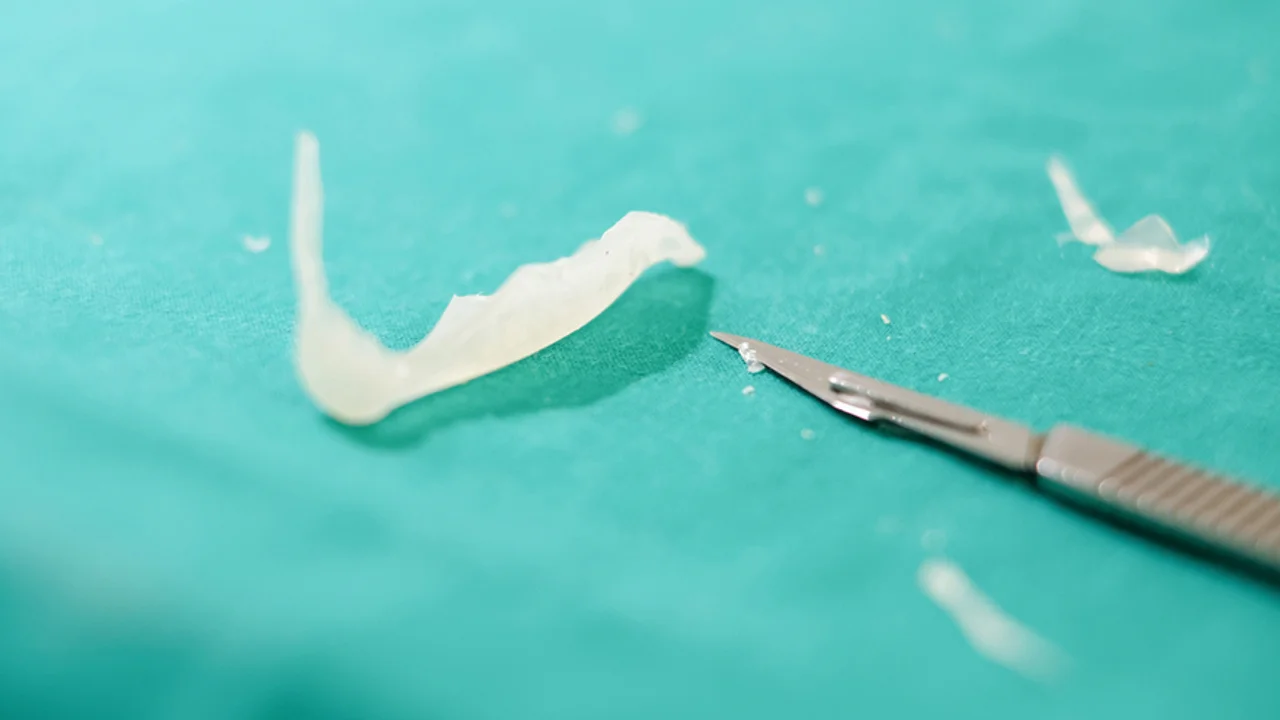
What About Rib Cartilage? Is It More Permanent?
Yes — when properly harvested and shaped, rib cartilage rhinoplasty can last a lifetime.
What People Often Overlook: Aging & the Nose
One thing many patients forget is that your face will continue to age, even after surgery. Skin thins, fat pads shift, and cartilage weakens over decades.
Signs It Might Be Time to Consider a Revision
Although many patients are thrilled with their results for decades, here are a few signs you may want to revisit your surgeon:
Final Thoughts: Can Korean Nose Surgery Truly Last a Lifetime?
Yes — it can.
But only when done right, with the right materials, and with the right follow-up.
More Articles
Continue reading clinical guides and plastic surgery resources from TJ Plastic Surgery.

What Forehead Reduction Surgery Can Do for Your Facial Aesthetic
Discover how forehead reduction surgery enhances facial aesthetics by creating a balanced, youthful look. Learn more about the benefits and process today!
Learn More

Consider a Minimally Invasive Facelift for a Youthful, Refreshed Appearance
Discover the benefits of a minimally invasive facelift for a youthful, refreshed look. Learn how this procedure can rejuvenate your appearance with less downtime.
Learn More

Why Facelift Surgery Is the Best Solution for Long-Lasting Results
Discover why facelift surgery offers the best long-lasting results for a youthful appearance. Learn more about its benefits and transformative effects today!
Learn More