For the best results, at the reliable and sincere TJ Plastic Surgery
Medical Guide
Facelift Over 40? Why It Might Be the Best Time to Refresh Your Look
Considering a facelift over 40? Discover why your 40s may be the perfect time to rejuvenate your look and boost confidence. Learn more today!
Schedule a ConsultationIntroduction
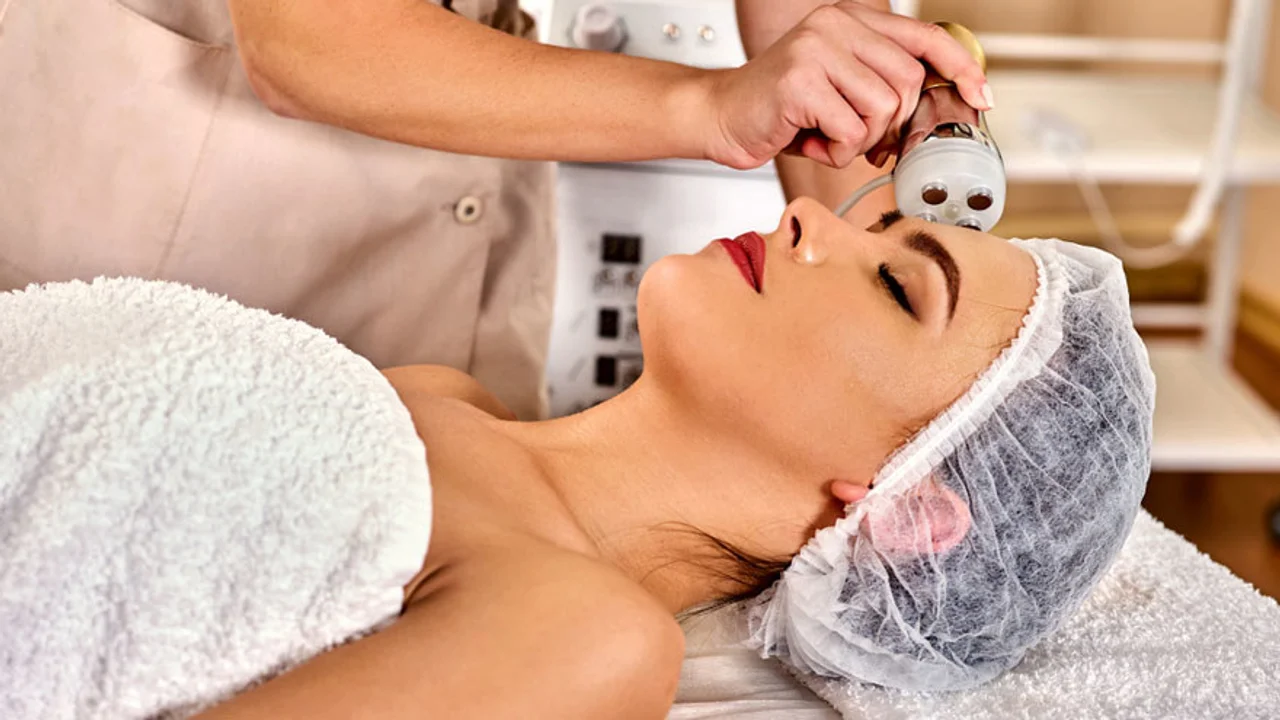
There’s a quiet but undeniable shift that happens in your 40s. You still feel vibrant and youthful — but the mirror may start showing a face that feels slightly out of sync with how you feel inside. Subtle sagging around the jawline, deepening lines around the mouth, and the early signs of jowls can appear almost overnight. If you're nodding in recognition, you’re not alone — and you’re not imagining it.
At TJ Plastic Surgery in Seoul’s Gangnam district, we’ve seen a noticeable trend: more and more patients in their 40s are choosing facelift procedures — and getting better, more natural-looking results than ever before.
So, why is after 40 actually a prime time for a facelift? Let’s explore the reasons — medically, emotionally, and aesthetically — why this could be the ideal window to refresh your look.
What Really Happens to the Face After 40?
Even if you’ve taken great care of your skin — sunscreen, skincare, maybe even some lasers or fillers — changes in facial structure are inevitable. Around age 40, the aging process begins to show at a structural level, not just the surface.
Here’s what surgeons actually see beneath the surface:
Loss of facial fat volume, particularly in the cheeks, temples, and under-eye area. This contributes to a sunken or “tired” appearance.
Laxity in facial ligaments and connective tissue. These support structures become weaker, leading to sagging around the jawline, neck, and lower face.
Skin thinning and collagen degradation, which reduce firmness and elasticity.
Changes in bone structure — subtle, but real — particularly around the mid-face and eye sockets, adding to the hollow or aged look.
Gravity's cumulative effects, pulling the skin and soft tissues downward over time.
What people often overlook is that these changes don’t happen evenly. The lower face tends to age faster and more visibly than the upper face, which is why many people in their 40s notice the beginnings of jowls, neck banding, or a sagging jawline even when their eyes still look bright and youthful.
At this point, surface-level treatments like Botox or fillers may no longer be enough. That’s when a facelift becomes a powerful — and surprisingly natural — option.
Why Age 40–55 Is the “Golden Zone” for Facelifts

One common misconception is that facelifts are for people in their 60s or older — that you should wait until things get “bad enough.” But waiting too long can actually make it harder to get the best result.
Here’s why your 40s to early 50s are often the most strategic time for surgical facial rejuvenation:
1. Better Skin Elasticity = Better Results
In your 40s, your skin still has relatively good elasticity. That’s important because a facelift doesn’t just “tighten” the skin — it repositions the underlying SMAS (Superficial Musculo-Aponeurotic System) layer and redrapes the skin to sit smoothly over it.
With sufficient elasticity, the skin molds beautifully to the new contours — without tension or an overly “pulled” look. The result is smoother, softer, and far more natural.
2. Less Invasive Techniques Are Often Sufficient
At this stage, the signs of aging are typically moderate, not severe. That opens the door for less invasive approaches such as:
These procedures often require shorter operating times, faster recovery, and less risk of complications compared to full traditional facelifts.
3. It’s About Maintenance — Not Drastic Change
To be honest, the best facelifts are the ones no one notices. When done in your 40s or early 50s, the procedure acts as a reset button — restoring youthful contours while preserving the natural shape of your face.
4. Faster Recovery, Longer Enjoyment
Healing from a facelift in your 40s is usually smoother. Your body still has strong regenerative capabilities, and your overall health is likely stable. Most patients can return to light activities within 7–10 days and resume work and social outings within 2–3 weeks.
How Korean Aesthetic Ideals Shape Facelift Trends
Common Concerns — Answered Honestly
“Will I still look like myself?”
Yes. Our goal is to make you look like a better-rested, lifted version of yourself. At TJ Plastic Surgery, we preserve your unique facial identity — we don’t erase it.
The TJ Plastic Surgery Approach: Personalized, Precise, Proven
At TJ Plastic Surgery, our facelift philosophy centers around precision, personalization, and preservation. Every patient’s face tells a different story — and we’re here to listen and enhance, not overwrite.
Why patients trust us:
Is a Facelift Right for You?
Here’s a simple self-check: Stand in front of a mirror, gently lift the skin just in front of your ears upward. If that subtle lift makes you look more refreshed — and you like what you see — a facelift could be a great option.
You may be a good candidate if you notice:
Ready to Refresh — Not Redesign — Your Look?
Choosing a facelift is not about chasing youth — it’s about reclaiming confidence. The right procedure, at the right time, can restore the energy you feel inside and bring it back to your outward appearance.
More Articles
Continue reading clinical guides and plastic surgery resources from TJ Plastic Surgery.
What Forehead Reduction Surgery Can Do for Your Facial Aesthetic
Discover how forehead reduction surgery enhances facial aesthetics by creating a balanced, youthful look. Learn more about the benefits and process today!
Learn More

Consider a Minimally Invasive Facelift for a Youthful, Refreshed Appearance
Discover the benefits of a minimally invasive facelift for a youthful, refreshed look. Learn how this procedure can rejuvenate your appearance with less downtime.
Learn More
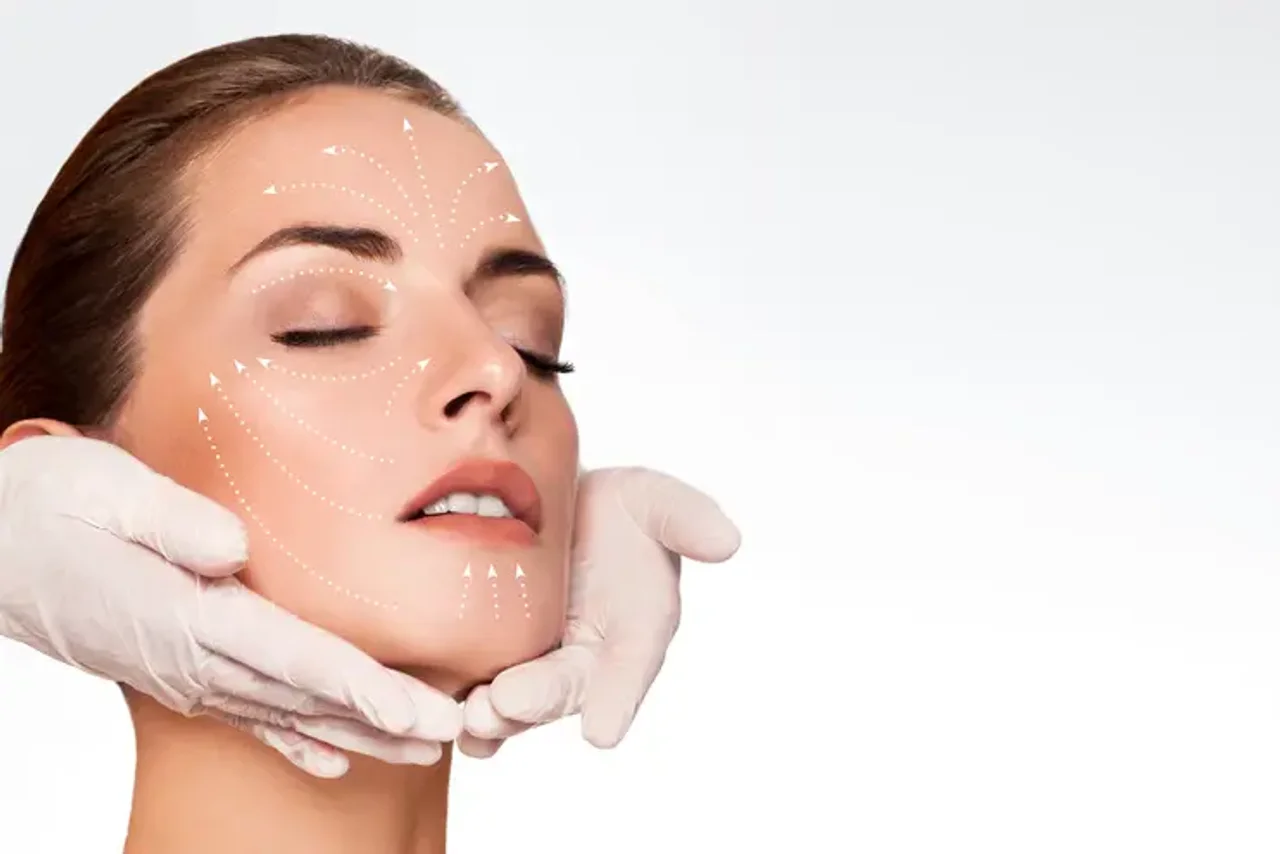
Why Facelift Surgery Is the Best Solution for Long-Lasting Results
Discover why facelift surgery offers the best long-lasting results for a youthful appearance. Learn more about its benefits and transformative effects today!
Learn More