For the best results, at the reliable and sincere TJ Plastic Surgery
Medical Guide
Expert Revision Eyelid Surgery in Seoul | TJ Plastic Surgery
Explore top-tier revision eyelid surgery in Korea with Dr. Tack-Jin Chang. Natural results, expert care, and international support await.
Schedule a ConsultationRestoring Confidence Through Precision Eyelid Revision

Eyelid surgery, or blepharoplasty, is often a transformative experience, restoring both youthful contours and clearer vision. But when a procedure falls short—whether through asymmetry, scarring, or functional concerns—the results can be deeply distressing. Revision eyelid surgery offers hope for those looking to correct complications and reclaim their natural beauty.
At TJ Plastic Surgery in Seoul, led by renowned specialist Dr. Tack-Jin Chang, patients from around the world receive customized revision strategies grounded in microsurgical expertise and artistic precision. With a track record of resolving even complex surgical errors, TJ Plastic Surgery is a trusted destination for second chances.
Why Revision Eyelid Surgery May Be Necessary
Patients turn to revision surgery for a variety of reasons, including:
Uneven eyelid creases or asymmetry between the eyes
Hollowed or wide-eyed appearance from excessive tissue removal
Minimal or no change due to undercorrection
Recurring or untreated ptosis (drooping upper eyelids)
Prominent scarring or folds that interfere with facial harmony
These outcomes often impact not only physical appearance but emotional well-being. A patient identified as Ms. L., a 29-year-old from Malaysia, had previously undergone a non-incisional procedure abroad that left her with asymmetric folds and discomfort in public settings. At TJ, a partial-incision revision restored balanced contours and renewed her self-confidence.
Navigating the Complexity of Revision Cases
Revision blepharoplasty is considerably more complex than first-time surgery. The surgeon must carefully navigate through disrupted anatomical planes, often obscured by scar tissue or muscle displacement.
Key challenges include:
Identifying and preserving the levator muscle for eyelid elevation
Working through adhesions without damaging vital structures
Restoring tissue volume in hollowed or overcorrected cases
To ensure the highest level of safety and precision, Dr. Chang employs:
3D digital eyelid analysis
Microsurgical instruments to minimize trauma
Detailed preoperative mapping using past surgical data and current photographs
“Every revision case demands a unique approach. It’s about listening to the patient’s story and rebuilding not just the anatomy, but their trust,” says Dr. Chang.
Types of Revision Surgeries Offered
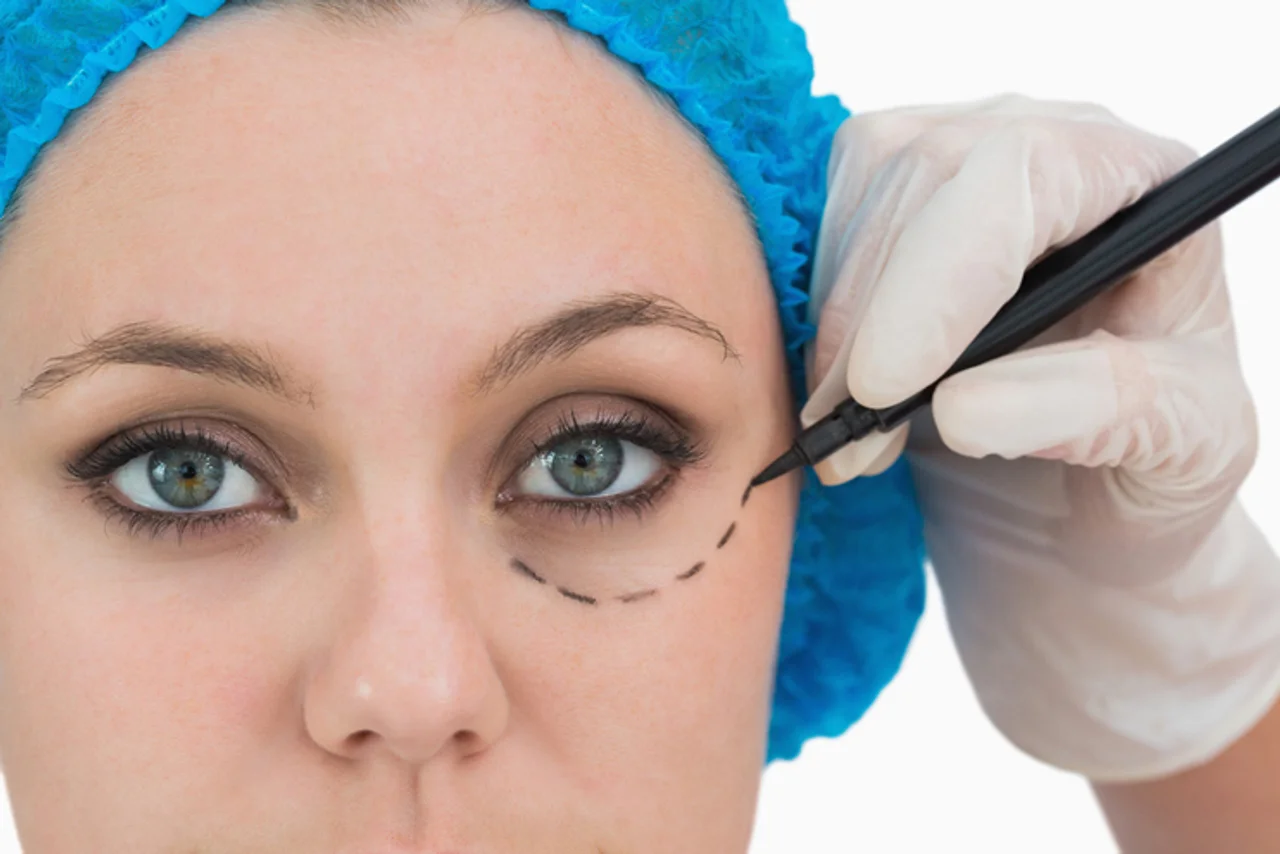
Double Eyelid Revision
Commonly sought by East Asian patients, this procedure corrects asymmetric, faint, or overly high creases. Dr. Chang may use:
Scar release and crease reformation
Fat grafting to restore natural volume
Suture realignment for better symmetry
Upper Eyelid Correction
Addressing wide-eyed appearance or residual droopiness, techniques may include:
Levator muscle adjustment
Crease redefinition
Soft tissue rearrangement
Lower Eyelid Revision
Applied to correct:
Lid retraction or downward pulling
Under-eye hollowing
Visible scarring from transcutaneous incisions
Options include skin grafts, canthopexy, and fat repositioning.
Ptosis Correction
When left untreated, ptosis can worsen post-surgery. Correction involves:
Advancing the levator aponeurosis
Improving eyelid height and function
Combining with aesthetic refinements
Scar and Contour Revision
Patients with hypertrophic or visible scars benefit from:
Fine dissection to release adhesions
Laser treatments
Crease reshaping to smooth out the lid
Respecting Ethnic and Natural Aesthetic Goals
Many revision patients seek help after procedures that ignored their ethnic eyelid structure. Overly high folds or exaggerated results can erase cultural identity.
Common revision goals for Asian eyelids:
Who Makes a Good Candidate for Revision Surgery?
You may qualify if:
What to Expect During Your Consultation

Your personalized evaluation includes:
Techniques and Tools Tailored to Each Case
TJ Plastic Surgery uses modern tools to elevate surgical precision:
Recovery: Healing with Care and Patience
General healing phases:
Real Cases, Real Results
Ms. L. (Malaysia): Uneven non-incisional crease corrected with partial incision. Post-op: symmetrical, natural double eyelid.
Mr. K. (Japan): Treated for ptosis and lid retraction. Dr. Chang performed levator advancement and canthal support. Result: improved function, balanced aesthetics.
Ms. J. (California): Scar revision and fat grafting after lower lid deformity. Post-op: smooth contour and emotional relief.
Frequently Asked Questions (FAQs)
Q1: How soon can I have a revision?
6–12 months post-op is typical, depending on healing.
Your Path to Renewal Begins Here
Whether you’re looking to correct asymmetry, restore lost volume, or finally resolve drooping eyelids, TJ Plastic Surgery offers a path forward. Dr. Tack-Jin Chang blends world-class skill with compassionate care, helping patients heal both physically and emotionally.
More Articles
Continue reading clinical guides and plastic surgery resources from TJ Plastic Surgery.

What Forehead Reduction Surgery Can Do for Your Facial Aesthetic
Discover how forehead reduction surgery enhances facial aesthetics by creating a balanced, youthful look. Learn more about the benefits and process today!
Learn More

Consider a Minimally Invasive Facelift for a Youthful, Refreshed Appearance
Discover the benefits of a minimally invasive facelift for a youthful, refreshed look. Learn how this procedure can rejuvenate your appearance with less downtime.
Learn More

Why Facelift Surgery Is the Best Solution for Long-Lasting Results
Discover why facelift surgery offers the best long-lasting results for a youthful appearance. Learn more about its benefits and transformative effects today!
Learn More