For the best results, at the reliable and sincere TJ Plastic Surgery

Medical Guide
Dark Circles Treatment: Is Surgery the Solution for You?
Explore effective dark circles treatments and discover if surgery is right for you. Learn about options, results, and what to expect. Read more now!
Schedule a ConsultationIntroduction
Dark circles under the eyes — they’re one of the most common aesthetic concerns we see, and yet, one of the most misunderstood. Patients walk into TJ Plastic Surgery every week asking, “Why do I have these dark shadows?” and more urgently, “Can you remove them permanently?”
If you’ve tried every eye cream, adjusted your sleep schedule, and still find yourself looking perpetually tired, you’re not alone. The truth is, not all dark circles are the same — and not all can be treated with skincare alone. In some cases, cosmetic surgery may offer the most effective and lasting solution.
Let’s explore the deeper causes of dark circles, the treatments available — and whether surgical options might be right for you.
What Causes Dark Circles? It’s More Than Just Lack of Sleep
One of the biggest myths we hear is that dark circles are simply caused by being tired. While fatigue can certainly make them worse, it’s rarely the core issue.
Here in Korea, where youthful, bright, and fresh-looking eyes are a strong aesthetic ideal, we pay close attention to what’s really behind the pigmentation or shadowing. At TJ Plastic Surgery, we typically categorize dark circles into several underlying causes:
1. Anatomical Shadows (Tear Trough Deformity)
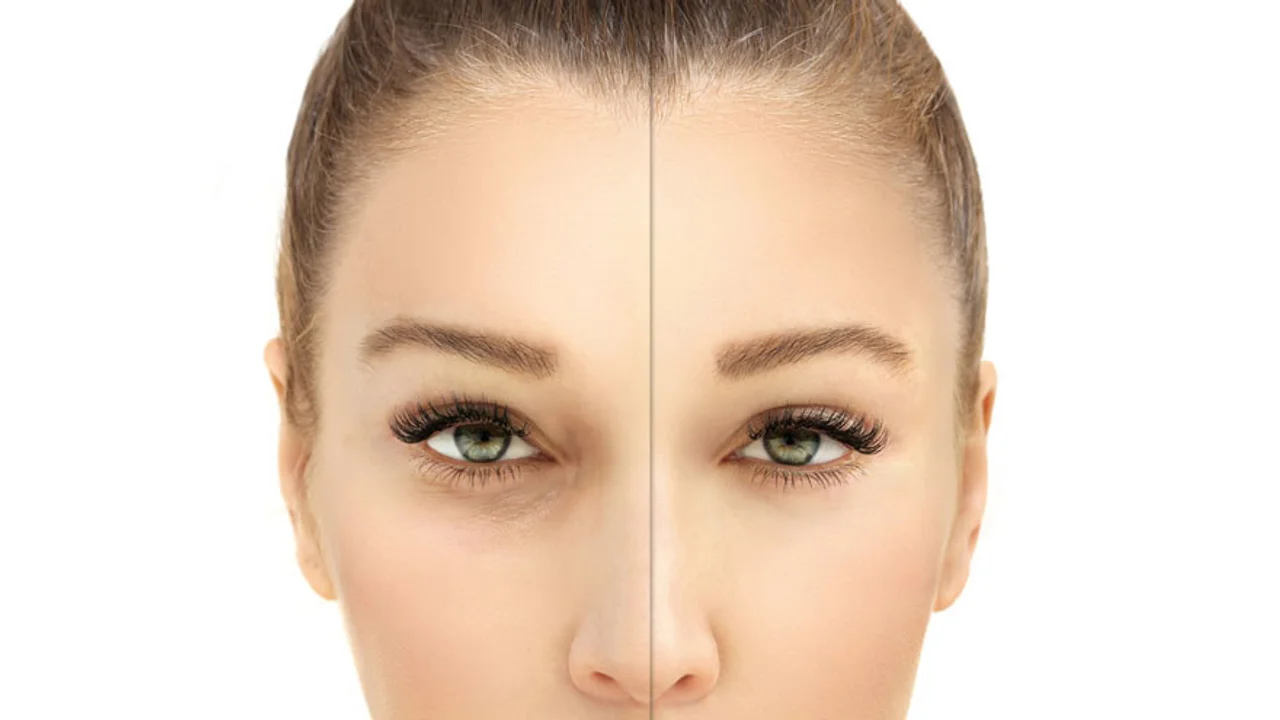
This is perhaps the most common cause we see in our Gangnam clinic. As we age — or in some cases, from early adulthood — the area under the eye can develop a hollow or indentation called a tear trough. This dip casts a shadow, making the under-eye area look darker, even if your skin tone is even. Genetics often play a role in this, particularly among Asian patients, who may develop more pronounced tear troughs at a younger age due to facial structure.
2. Pigmentation (Hyperpigmentation or Genetic Factors)
In some individuals, especially those with a family history or certain skin types, melanin can build up in the under-eye area, leading to a more pigmented appearance. This is common in patients of Asian descent and may not improve with volume restoration alone. It can also be exacerbated by sun exposure, allergies, and chronic rubbing of the eyes.
3. Thin Skin and Visible Blood Vessels
The skin under the eye is among the thinnest on the body. As we age, the skin becomes even thinner, and blood vessels beneath the surface can start to show through — creating a bluish or purplish tint. This vascular-type dark circle is often mistaken for pigmentation but requires a different treatment strategy.
4. Fat Protrusion or Eye Bags
Ironically, having too much fat under the eyes (as in lower eyelid puffiness or bags) can also lead to shadowing. This creates an uneven contour between the puffy area and the cheek, further emphasizing the dark circle. This condition tends to become more prominent with age, especially in the late 30s and beyond.
Understanding which of these causes (or combination of causes) is affecting you is the first step in determining the right treatment path.
When Are Non-Surgical Treatments Enough?
If your dark circles are mainly due to pigmentation or mild hollowness, non-surgical treatments may offer improvement.
At TJ Plastic Surgery, we usually begin with a conservative approach when appropriate:
Is Surgery the Right Solution for Dark Circles?
Surgical treatment becomes a viable — and often ideal — solution when the root cause of dark circles is anatomical. This is particularly true for patients with:
Pronounced tear troughs
Under-eye bags or fat protrusion
Skin laxity around the lower eyelid
Poor results from repeated fillers
At TJ Plastic Surgery, we offer several surgical options depending on the patient’s unique anatomy and goals:
Lower Blepharoplasty: The Gold Standard for Structural Correction
What Is It?
Lower blepharoplasty is a surgical procedure that addresses puffiness, fat pads, and sagging skin beneath the eyes. Depending on the technique, it can remove or reposition fat, tighten the skin, and improve the transition between the lower eyelid and cheek.
Who Is It For?
This procedure is ideal for:
Clinical Benefits
Removes or redistributes fat pads
Tightens skin and muscle
Reduces puffiness and dark shadows
Improves the smoothness of the under-eye-cheek junction
Recovery
Swelling and bruising are common for 1–2 weeks. Most patients return to normal activities within 10–14 days. The results, however, can last 10 years or more — a far more durable outcome than injectables. Post-operative care includes cold compresses, antibiotic ointments, and follow-ups to monitor healing.
Fat Repositioning or Grafting
Canthopexy or Skin Tightening (When Needed)
For patients with loose skin or muscle laxity around the lower eyelid, we may recommend additional support techniques such as canthopexy (tightening the outer corner of the eye) or skin excision to improve the firmness and resilience of the eyelid.
What People Often Overlook: The Cheek-Eye Connection
One of the most important — yet overlooked — components of dark circle correction is the midface or upper cheek area.
What to Expect from a Consultation
If you’re unsure whether surgery is the right path, start with a consultation.
Is It Worth It?
To be honest, for many patients who have struggled with dark circles for years, eyelid surgery can be life-changing.
Final Thoughts: Is Surgery the Solution for You?
Surgery isn’t always the first step, but in cases where anatomy plays a major role in your dark circles, it might be the most effective — and lasting — solution.
More Articles
Continue reading clinical guides and plastic surgery resources from TJ Plastic Surgery.
What Forehead Reduction Surgery Can Do for Your Facial Aesthetic
Discover how forehead reduction surgery enhances facial aesthetics by creating a balanced, youthful look. Learn more about the benefits and process today!
Learn More

Consider a Minimally Invasive Facelift for a Youthful, Refreshed Appearance
Discover the benefits of a minimally invasive facelift for a youthful, refreshed look. Learn how this procedure can rejuvenate your appearance with less downtime.
Learn More
Why Facelift Surgery Is the Best Solution for Long-Lasting Results
Discover why facelift surgery offers the best long-lasting results for a youthful appearance. Learn more about its benefits and transformative effects today!
Learn More