For the best results, at the reliable and sincere TJ Plastic Surgery

Medical Guide
Crooked Nose Surgery in Korea | Restore Balance & Breathing
Explore advanced crooked nose correction with septorhinoplasty. Learn techniques, recovery tips, and global insights from top Seoul surgeons.
Schedule a ConsultationIntroduction: A Functional and Aesthetic Concern
A crooked nose often signals more than just a visual imbalance. For many patients, it means living with compromised airflow, nasal obstruction, and chronic congestion—alongside self-consciousness in photos and social settings. Whether the deviation is congenital, trauma-induced, or the result of a poorly healed prior surgery, the impact spans physical comfort and emotional confidence.
“Patients often tell me they didn’t realize how poor their breathing was until after the correction,” says Dr. Tack-Jin Chang, a board-certified plastic surgeon and rhinoplasty specialist in Seoul. “When you restore both symmetry and function, quality of life changes dramatically.”
What Exactly Is a Crooked Nose?

Visually, a crooked nose may tilt to one side, appear twisted, or show nostril asymmetry. Internally, the problem often stems from a deviated septum—the cartilage that divides your nasal passages. In complex cases, both bone and cartilage are misaligned.
There are typically two types:
Aesthetic deviation – The nose looks off but airflow isn’t affected.
Structural deviation – There’s a septal or skeletal misalignment affecting breathing.
According to Dr. Chang, “S-shaped deviations are often the most difficult, as they involve multi-planar correction across both cartilage and bone.”
Causes: How Noses Become Crooked
1. Facial Trauma:
From sports injuries to childhood accidents, trauma is a leading cause. If left untreated or misaligned during healing, the nasal bones may set in a crooked position.
2. Developmental Asymmetry:
In some cases, the crookedness emerges during puberty as the facial bones grow unevenly.
3. Deviated Septum:
Congenital or injury-induced, a deviated septum can block one side of the nose entirely, leading to mouth breathing or sleep issues.
4. Failed or Incomplete Rhinoplasty:
Secondary (revision) rhinoplasties are often needed when earlier surgeries fail to address internal structure—or worsen it.
“In revision cases, the scar tissue and lack of support make the anatomy more complex,” Dr. Chang notes. “Grafts are often required to rebuild what was lost or weakened.”
Can Surgery Truly Fix It?
Yes—and not just in terms of appearance. Functional improvements are often dramatic. The solution typically involves:
Success depends on understanding the full internal anatomy—not just visible asymmetry.
Q&A: Who’s a Candidate?
Q: Do I need surgery if my nose only looks crooked?
A: Maybe not. If you breathe well and the issue is mild, filler-based non-surgical rhinoplasty might offer temporary visual correction.
Inside the Consultation Room

Unique Surgical Techniques
Dr. Chang and his team specialize in:
Patient Case: Nadia, 26, UAE
Nadia suffered a minor sports injury in her teens but never sought treatment. Over time, her nose began curving rightward and she developed nighttime congestion.
Recovery Timeline: What Patients Should Expect
Phase | Details |
|---|---|
Days 1–7 | Swelling and bruising peak. Splints and gauze protect the structure. Sleep elevated. |
Day 7 | Splint removal. Breathing may still feel restricted but begins to improve. |
Weeks 2–3 | Most visible bruising gone. Return to light social activity. |
1–3 Months | Tip refinement continues. Breathing steadily improves. |
6 Months | Final contours visible. Nasal function stabilized. |
What About Risks?
Common post-op effects:
Global Perspective: Why Korea Leads in Rhinoplasty
Compared to Western clinics, Korean rhinoplasty emphasizes:
Alternatives: When Surgery Isn’t Required
1. Liquid Rhinoplasty (Filler)

Final Word: Straightening More Than Just Your Nose
A crooked nose affects how you look—but also how you live. From interrupted sleep and strained breathing to feeling off-center in every photo, the effects are real. Surgical correction can restore more than symmetry—it can enhance function, comfort, and confidence.
More Articles
Continue reading clinical guides and plastic surgery resources from TJ Plastic Surgery.

What Forehead Reduction Surgery Can Do for Your Facial Aesthetic
Discover how forehead reduction surgery enhances facial aesthetics by creating a balanced, youthful look. Learn more about the benefits and process today!
Learn More

Consider a Minimally Invasive Facelift for a Youthful, Refreshed Appearance
Discover the benefits of a minimally invasive facelift for a youthful, refreshed look. Learn how this procedure can rejuvenate your appearance with less downtime.
Learn More
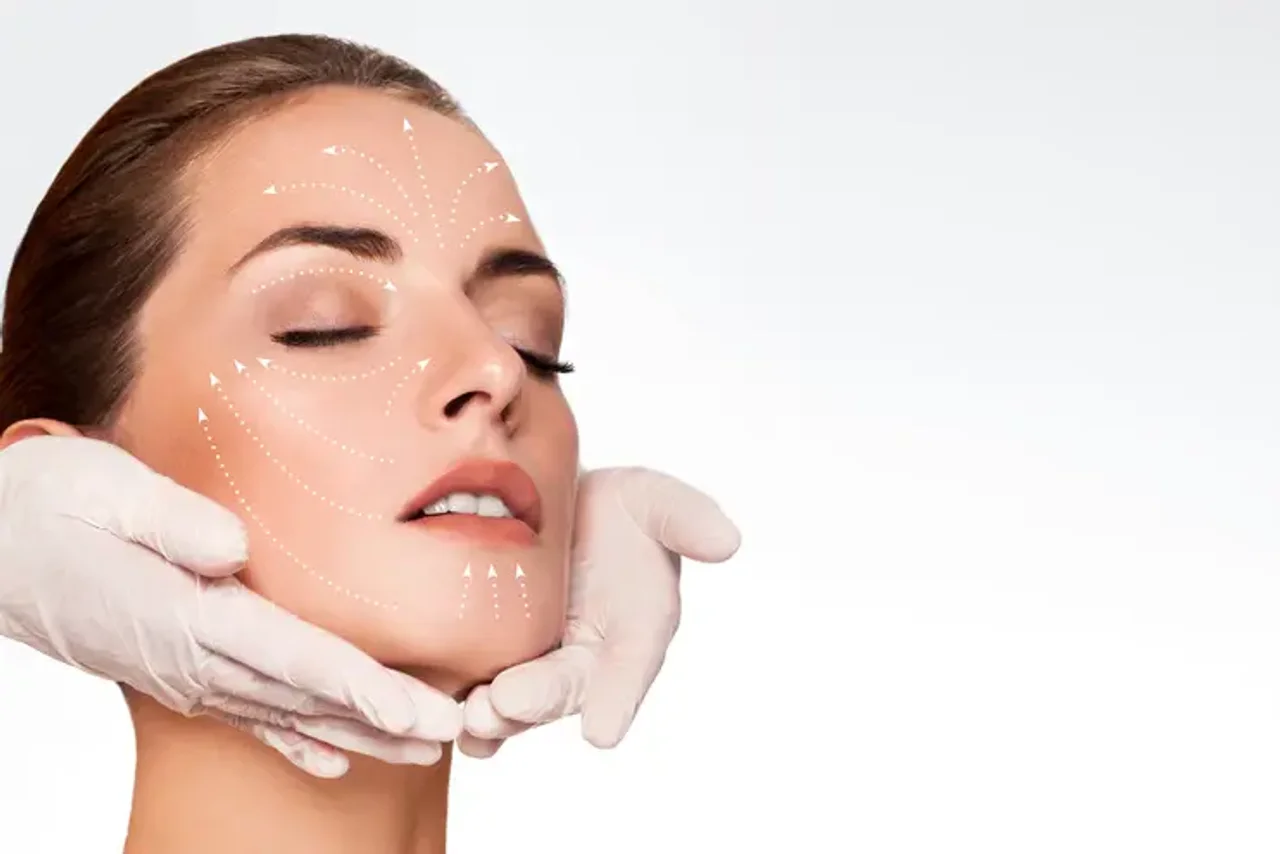
Why Facelift Surgery Is the Best Solution for Long-Lasting Results
Discover why facelift surgery offers the best long-lasting results for a youthful appearance. Learn more about its benefits and transformative effects today!
Learn More