For the best results, at the reliable and sincere TJ Plastic Surgery

Medical Guide
Crooked Nose Surgery: Achieve a Perfectly Aligned Nose
Fix nasal asymmetry with crooked nose surgery. Discover techniques, benefits, and recovery tips for a balanced, confident look. Learn more now!
Schedule a ConsultationIntroduction

What Causes a Crooked Nose?
A crooked nose refers to a nasal structure that deviates from the vertical midline of the face. In most cases, this deviation isn’t just skin-deep. It often involves the underlying bone and cartilage — which means it’s not something that can be corrected through non-surgical treatments like fillers or threads.
Common Causes of Nasal Deviation
Congenital asymmetry: Some people are born with mild to moderate nasal deviation due to genetic bone or cartilage development patterns.
Trauma or injury: A childhood fall, sports injury, or even minor car accident can cause the nasal bones or septum to shift. Sometimes the injury goes unnoticed at the time, only to become more visible with age.
Deviated septum: This occurs when the internal wall that separates the nostrils is misaligned. A deviated septum is often accompanied by visible crookedness, but not always.
Previous rhinoplasty: Secondary or revision patients may develop asymmetry due to scarring, over-resection, or collapse of structural cartilage during healing.
Why Patients Seek Crooked Nose Correction
Let’s be honest: when your nose is visibly crooked, it’s hard to “unsee” it. It becomes a focal point in selfies, side profiles, or any photo where lighting highlights asymmetry. But the reasons for pursuing surgery go beyond appearance.
Aesthetic Motivations
Frontal balance: A centered nose helps balance both sides of the face, especially the eyes and cheekbones.
Improved profile: A straight bridge enhances side view harmony with the forehead, lips, and chin.
Confidence in photos: Many patients seek correction after noticing their nose appears more crooked in photos or videos, particularly under harsh lighting or specific angles.
Functional Motivations
Breathing difficulty: Crooked noses often come with a deviated septum or valve collapse that makes breathing through one or both nostrils difficult.
Chronic sinus pressure: A deviated nasal passage can cause congestion, snoring, and recurring sinus infections.
Exercise performance: Some patients, particularly athletes, notice improved endurance and oxygen intake after nasal correction.
What Is Crooked Nose Surgery?
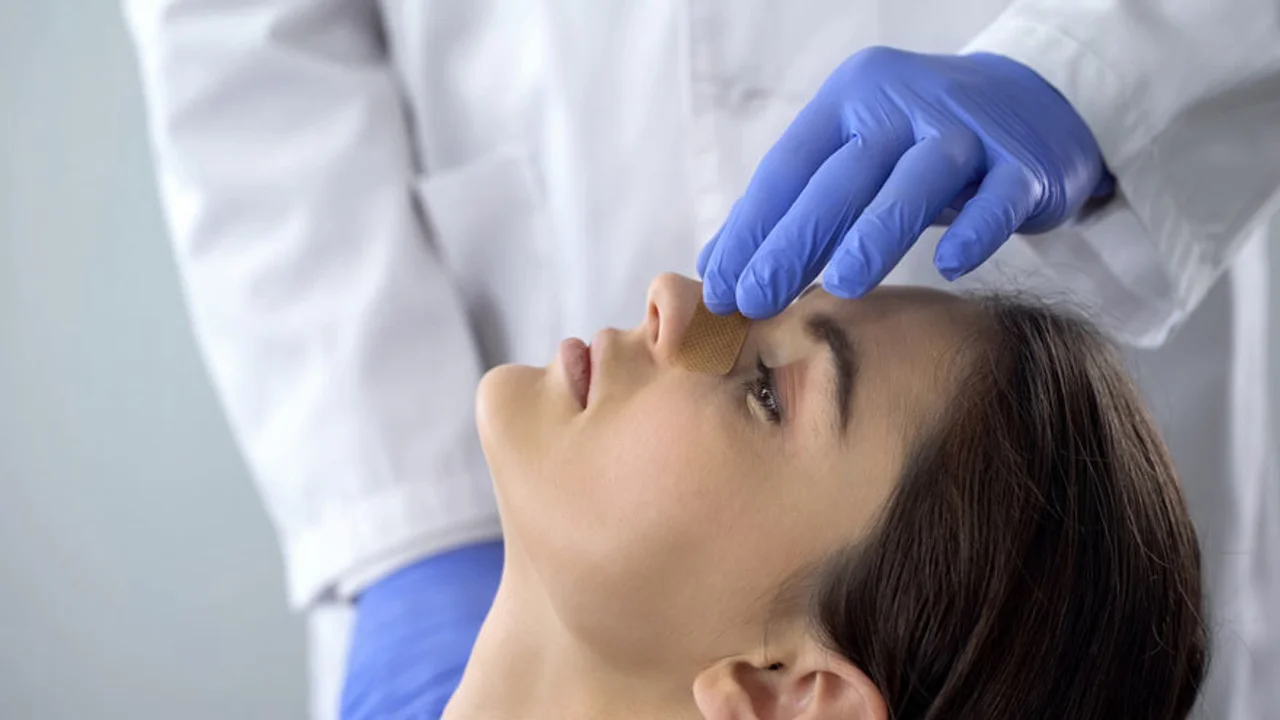
Cosmetic + Functional Approach
This isn’t just about appearance. A comprehensive correction often includes:
Two Main Techniques for Crooked Nose Correction
1. Open Rhinoplasty
Open rhinoplasty uses a small incision at the base of the nose (columella) to lift the skin and provide full visibility of the nasal framework. This is the most precise approach for patients with significant deviation or complex anatomy.
2. Closed Rhinoplasty
In closed rhinoplasty, all incisions are made inside the nostrils, so there are no visible scars. It is suitable for patients with mild deviation or when no internal valve repair is needed.
How We Approach Crooked Nose Surgery at TJ Plastic Surgery
Correcting a crooked nose is not like rotating a dial or shifting a stick — it’s more like restoring the balance of a tent where each supporting pole must be adjusted to hold the structure in place. If one element is off, the rest of the nose can collapse, warp, or return to its old position over time.
Our Signature Surgical Philosophy
1. Anatomy-First Assessment
We don’t just look at the nose — we look at the face as a whole. Using 3D facial scans, nasal airflow analysis, and (when needed) CT scans, we understand the entire nasal function, structure, and how your nose fits into your facial proportions.
2. Precision-Based Realignment
Our surgical approach involves millimeter-level adjustments to ensure the nose is not just straightened — but also stable. We often perform:
3. Natural, Lasting Results
We don’t believe in trendy, sharp “K-pop noses” that ignore anatomy. We aim for timeless, proportionate refinement that matches your ethnicity, facial width, and soft tissue profile. We also prioritize durability — so the nose stays aligned long after surgery.
Is Crooked Nose Surgery Right for You?

You’re a good candidate if:
Your nose tilts, bends, or curves from the centerline
You have one nostril that feels more blocked than the other
You’re unhappy with post-trauma or post-surgical nasal asymmetry
You’ve had breathing problems that worsen with exercise or sleep
You want a balanced, natural look — not a radically altered appearance
Recovery and Results: What to Expect
The recovery process after crooked nose correction is very manageable, especially with the support of a skilled clinic. Most patients return to light daily activities within two weeks and resume full activity after 4–6 weeks.
Typical Recovery Timeline:
A Word on Revision Rhinoplasty for Crooked Noses
Why Choose TJ Plastic Surgery?
Our Promise to You:
Final Thoughts
More Articles
Continue reading clinical guides and plastic surgery resources from TJ Plastic Surgery.
What Forehead Reduction Surgery Can Do for Your Facial Aesthetic
Discover how forehead reduction surgery enhances facial aesthetics by creating a balanced, youthful look. Learn more about the benefits and process today!
Learn More

Consider a Minimally Invasive Facelift for a Youthful, Refreshed Appearance
Discover the benefits of a minimally invasive facelift for a youthful, refreshed look. Learn how this procedure can rejuvenate your appearance with less downtime.
Learn More
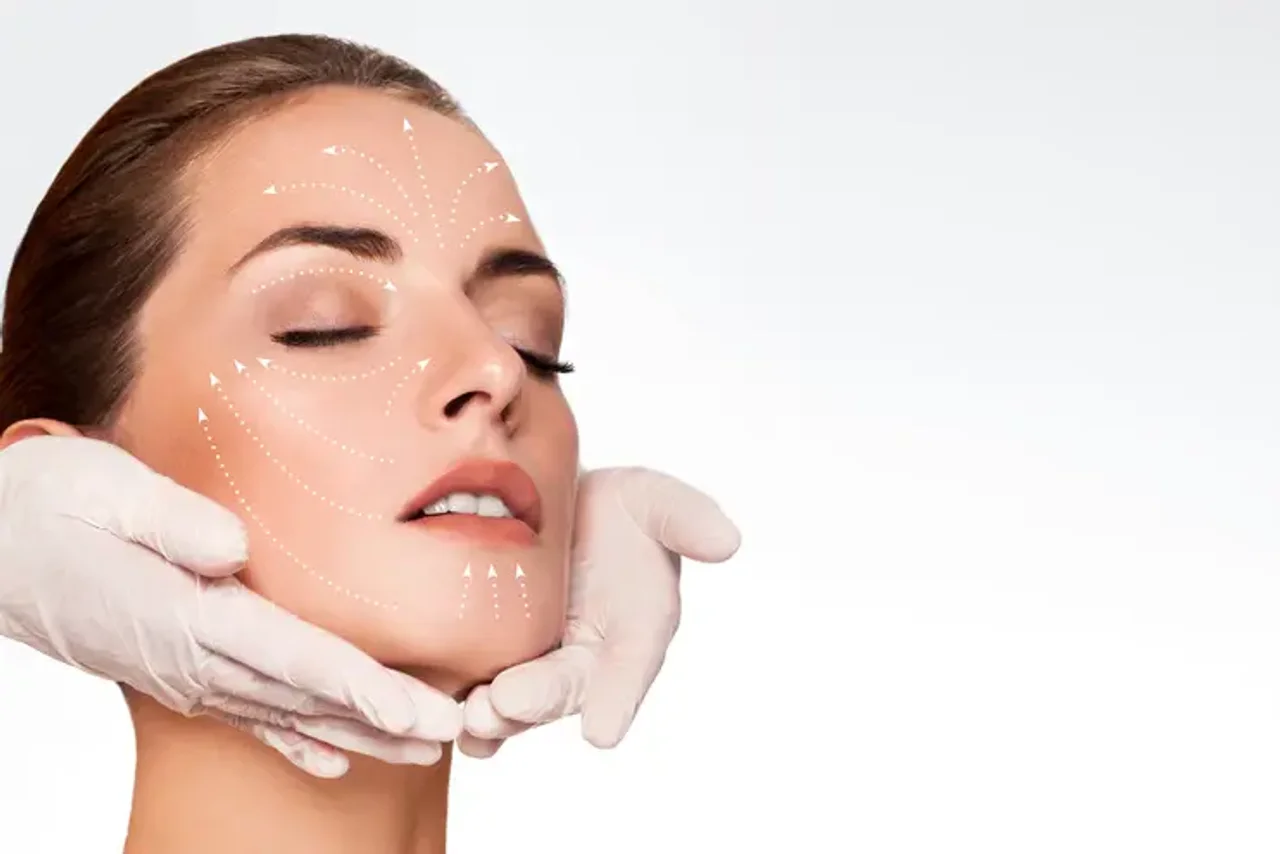
Why Facelift Surgery Is the Best Solution for Long-Lasting Results
Discover why facelift surgery offers the best long-lasting results for a youthful appearance. Learn more about its benefits and transformative effects today!
Learn More