For the best results, at the reliable and sincere TJ Plastic Surgery

Medical Guide
Crooked Nose? How Surgery Can Correct Alignment and Improve Your Profile
Discover how surgery can correct a crooked nose, improve facial alignment, and enhance your profile with expert insights on rhinoplasty and nasal correction.
Schedule a ConsultationIntroduction

What Causes a Crooked Nose?
1. Genetic Factors
A crooked nose can be inherited, passed down from one or both parents. The structure of your nose—including the angle of the nasal bones, cartilage, and other components—can be influenced by your family genetics. This means some people may be born with a naturally deviated nose that could affect their profile and facial balance.
2. Injury or Trauma
Injuries are a leading cause of nasal deviation. A direct impact to the nose, such as from a car accident, sports injury, or fall, can cause the nasal bones or cartilage to become displaced or fractured. This type of trauma may result in a visibly crooked nose or impair breathing. The severity of the crookedness can vary, and in some cases, it may worsen over time if left untreated.
3. Deviated Septum
A deviated septum occurs when the cartilage or bone that divides the two nostrils is displaced, causing one side of the nose to appear more congested or tilted. This misalignment can contribute to both aesthetic concerns (such as a crooked nose) and functional issues (such as difficulty breathing). In severe cases, a deviated septum may require surgical intervention to restore proper nasal symmetry and airflow.
4. Congenital Abnormalities
In some cases, a crooked nose is the result of congenital conditions, where an individual is born with an asymmetrical nose. While this is less common, it may lead to noticeable nasal misalignment or an abnormal profile.
How Surgery Can Help: Types of Surgical Procedures
1. Rhinoplasty (Cosmetic Nose Surgery)
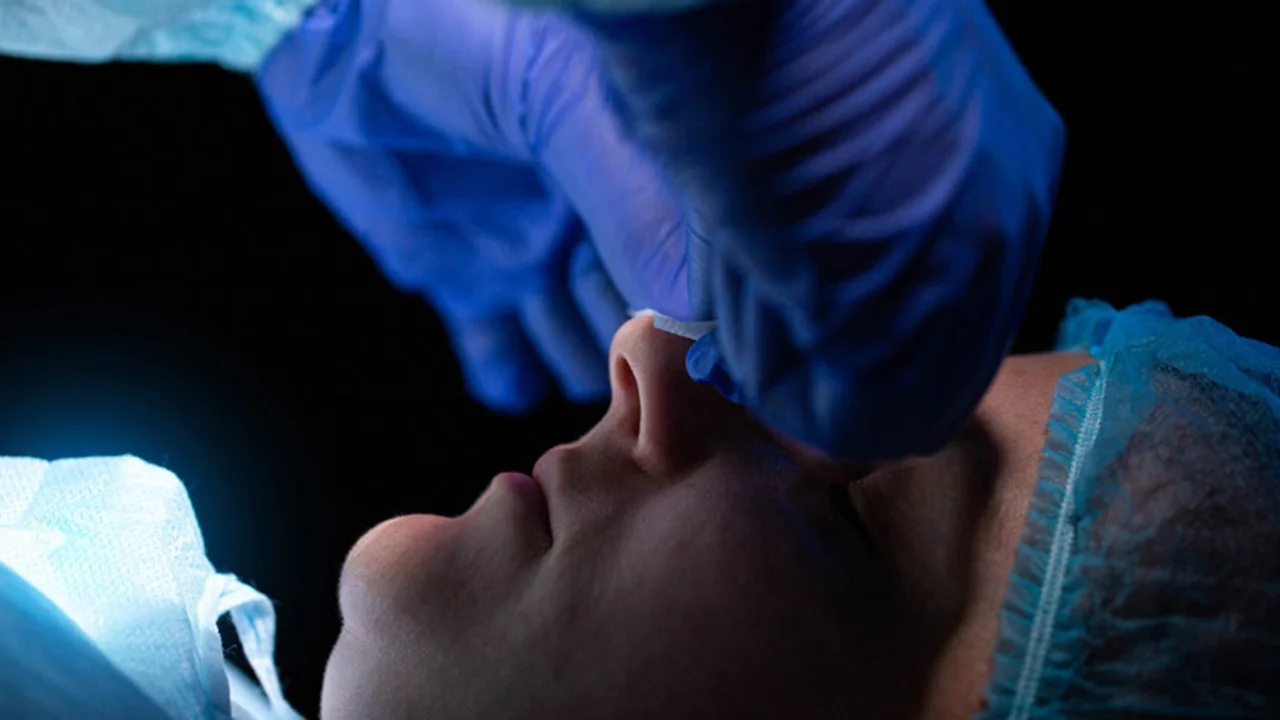
Rhinoplasty, often referred to as a "nose job," is the most common surgical procedure to correct the appearance of a crooked nose. Whether you have a slight deviation or a more prominent misalignment, rhinoplasty can be performed to reshape the nasal structure, improving both the symmetry and aesthetics of your nose.
How Rhinoplasty Works
During rhinoplasty, a board-certified plastic surgeon makes precise incisions to access the underlying nasal structure. There are two primary approaches to rhinoplasty: closed rhinoplasty and open rhinoplasty.
2. Septoplasty (For Breathing Issues)
If the crookedness of the nose is due to a deviated septum, a septoplasty may be recommended. While septoplasty is primarily a functional procedure designed to improve airflow through the nasal passages, it can also have an aesthetic impact by straightening the nose.
How Septoplasty Works
In septoplasty, the surgeon makes incisions inside the nostrils to access the septum. The deviated portion of the septum is either repositioned or removed, and the remaining cartilage and bone are reshaped to improve symmetry and restore proper airflow. This procedure is often performed in combination with rhinoplasty to address both cosmetic and functional concerns in one operation.
3. Combination of Rhinoplasty and Septoplasty
In many cases, patients with a crooked nose may have both aesthetic concerns (misalignment) and functional issues (breathing problems). In these situations, a combination of rhinoplasty and septoplasty may be performed during a single surgery. This approach addresses both the visual appearance of the nose and its ability to function properly, allowing patients to achieve a more balanced appearance and improved quality of life.
4. Non-Surgical Alternatives
While surgery is the most effective way to correct a crooked nose, some patients may opt for non-surgical alternatives to temporarily improve nasal alignment. Injectable fillers are a popular option for minor asymmetries, such as correcting small bumps or improving the nasal bridge. However, these treatments are temporary and can last anywhere from six months to two years.
The Recovery Process: What to Expect After Surgery

Immediate Aftercare
Swelling and Bruising: Swelling and bruising around the eyes are common after rhinoplasty and septoplasty. These symptoms typically peak within the first 48 hours and gradually subside within a few weeks.
Nasal Splints or Stents: To help support the new nasal shape, the surgeon may place splints inside the nose. These are usually removed within the first week.
Pain Management: Pain is generally mild and can be managed with prescribed pain medications or over-the-counter options, as recommended by the surgeon.
Post-Surgical Restrictions: Patients are advised to avoid strenuous activities, heavy lifting, or any action that could impact the nose (like blowing the nose) for at least a few weeks.
Long-Term Healing
Initial Healing: Within a few weeks, most swelling and bruising will subside, and patients will start to see the early results of their surgery. However, the nose will continue to heal for several months, and the final results may not be visible until up to a year after the procedure.
Follow-up Appointments: Patients will need to attend follow-up appointments to ensure proper healing and address any concerns with the surgical outcome.
Managing Expectations
Benefits of Correcting a Crooked Nose
1. Cosmetic Improvement
2. Improved Breathing
3. Enhanced Quality of Life
Conclusion
More Articles
Continue reading clinical guides and plastic surgery resources from TJ Plastic Surgery.
What Forehead Reduction Surgery Can Do for Your Facial Aesthetic
Discover how forehead reduction surgery enhances facial aesthetics by creating a balanced, youthful look. Learn more about the benefits and process today!
Learn More

Consider a Minimally Invasive Facelift for a Youthful, Refreshed Appearance
Discover the benefits of a minimally invasive facelift for a youthful, refreshed look. Learn how this procedure can rejuvenate your appearance with less downtime.
Learn More
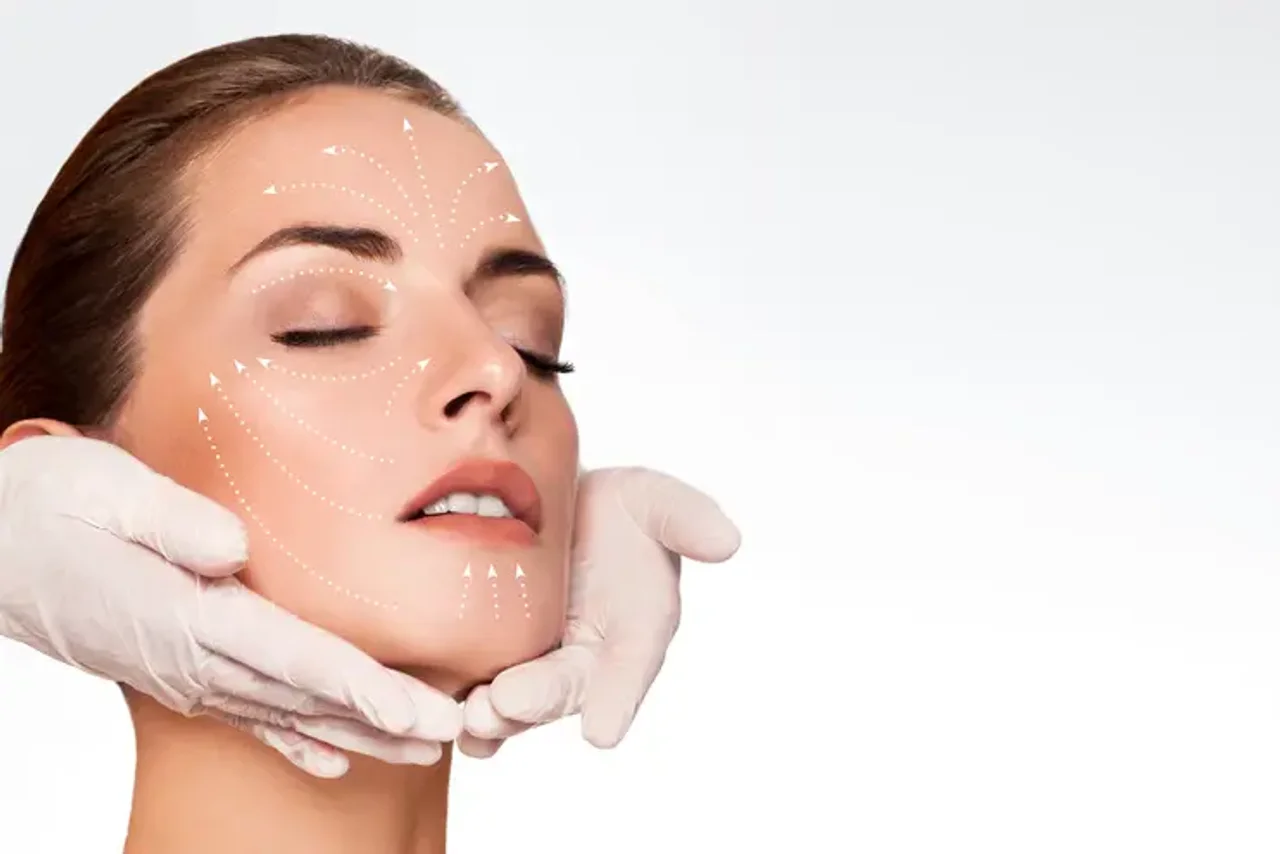
Why Facelift Surgery Is the Best Solution for Long-Lasting Results
Discover why facelift surgery offers the best long-lasting results for a youthful appearance. Learn more about its benefits and transformative effects today!
Learn More