For the best results, at the reliable and sincere TJ Plastic Surgery
Medical Guide
Correcting a Turned-Up Nose: Expert, Natural Results
Explore expert techniques and real patient stories for turned-up nose correction. Learn how TJ Plastic Surgery achieves natural, lasting outcomes.
Schedule a ConsultationUnderstanding the Turned-Up Nose
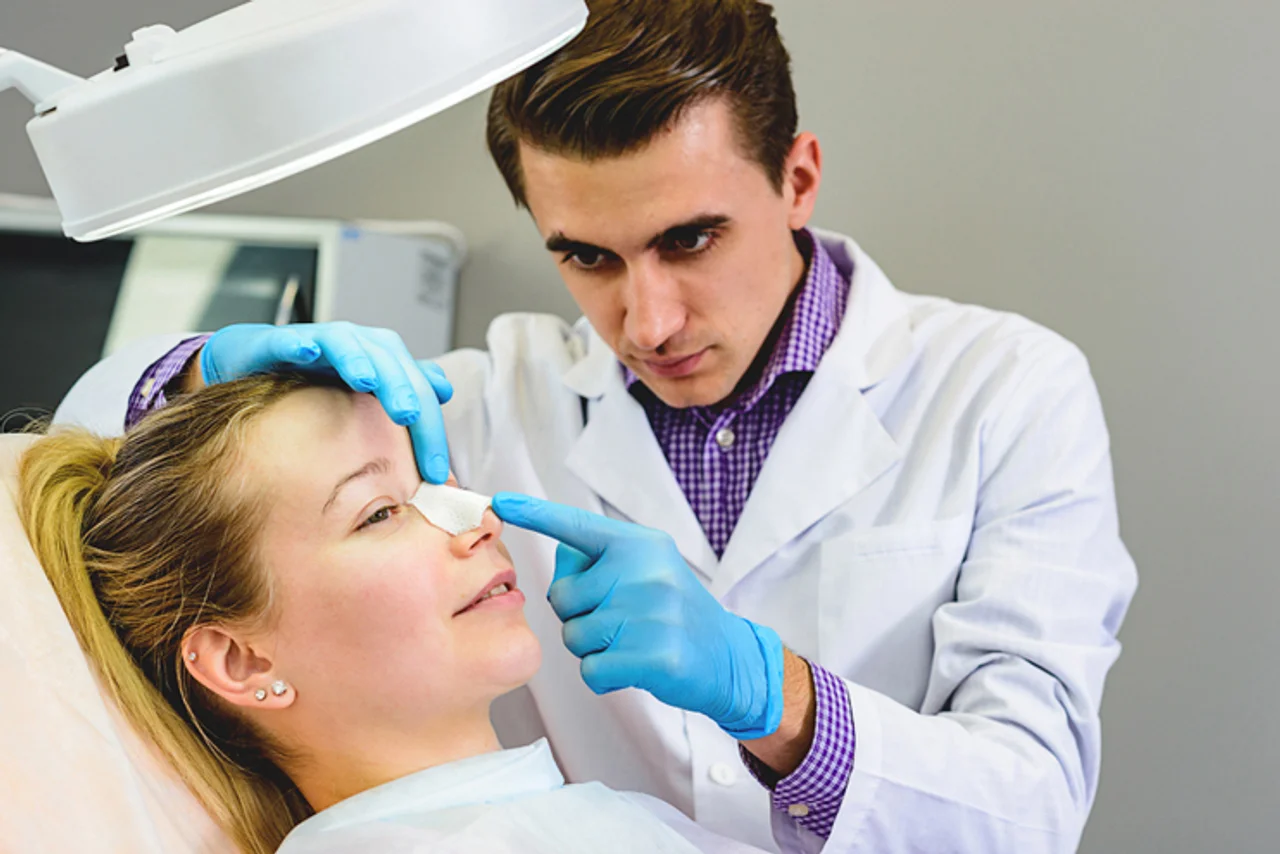
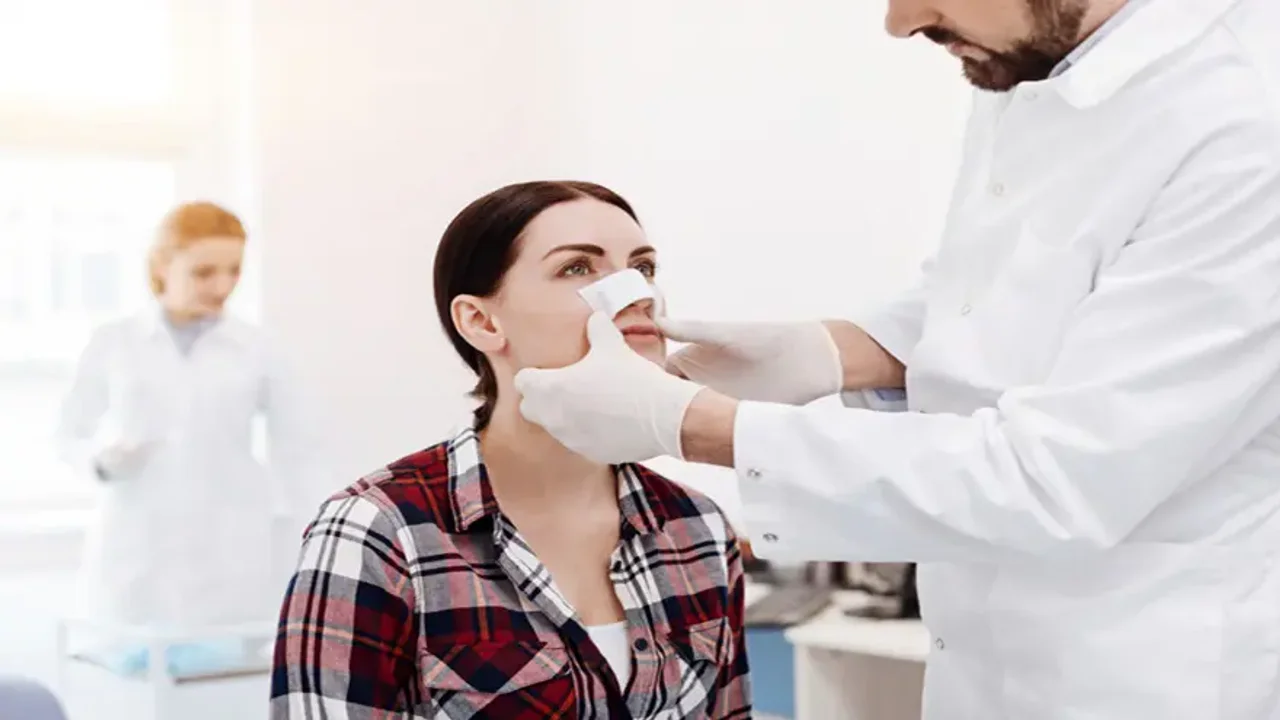
A turned-up nose, also known as nasal tip over-rotation or short nose, is a condition where the nasal tip points upward excessively, revealing more of the nostrils. This appearance can draw undue attention, creating a sense of disharmony in the facial profile. While some view a slightly rotated tip as youthful or charming, others find it detracts from their overall aesthetic, especially when viewed from the side or in photographs.
In clinical terms, the condition may stem from congenital traits, prior surgical procedures, or trauma. Structural deficiencies, such as insufficient cartilage or compromised nasal support, often contribute to this presentation. A turned-up nose may not only alter facial proportions but also affect nasal function, potentially causing airway obstruction or discomfort.
Why Turned-Up Nose Surgery Matters
Correcting a turned-up nose involves more than cosmetic refinement. “Our team regularly sees patients who not only want aesthetic balance, but also struggle with nasal airflow,” explains Dr. Tack-Jin Chang, board-certified plastic surgeon and rhinoplasty expert at TJ Plastic Surgery in Seoul. “Surgical correction should address both appearance and function—ensuring structural stability and patient satisfaction.”
Common motivations for seeking this surgery include:
Reduced nasal length
Excessive nostril show
Previous rhinoplasty complications
Trauma-related deformities
Functional breathing issues
Patients often describe feeling self-conscious in side-profile photos or frustrated with the overly delicate appearance their nose creates. Restoring a more grounded, proportionate look brings both visual and emotional relief.
Surgical Approach and Key Goals
The procedure typically centers on repositioning and stabilizing the nasal tip, extending nasal length, and reconstructing internal support using cartilage grafts. Preoperative CT scans help map nasal bone and cartilage structure for precision planning.
Dr. Chang outlines the foundational goals:
Tip Rotation Correction: Using rib or septal cartilage to rotate the tip downward naturally.
Nasal Lengthening: Restoring proportion through layered cartilage grafts.
Support Reinforcement: Stabilizing internal architecture to prevent tip collapse.
Breathing Restoration: Opening airway passages compromised by structural loss.
“Each step of the procedure—whether sculpting grafts or deciding on incisions—requires clinical judgment that considers form, function, and the patient’s unique goals,” adds Dr. Chang.
Techniques That Drive Results
Surgical success depends on tailored technique. Common methods include:
Columellar Strut Graft: Anchors tip projection and prevents sagging.
Septal Extension Graft: Extends the septum for greater structural control.
Extended Spreader Grafts: Support nasal width, bridge definition, and airway flow.
Shield and Cap Grafts: Sculpt finer tip definition and mask contour irregularities.
Autologous Tissue Grafting: Harvested cartilage (often rib or ear) ensures natural integration and low rejection risk.
Intraoperatively, Dr. Chang uses dynamic assessment to fine-tune graft angles and symmetry. “Graft shaping is part artistry, part science. A slight tilt or thickness difference changes the entire profile,” he notes.
When previous surgeries involved synthetic implants, these are removed to avoid rejection or warping, and natural cartilage is used to rebuild a durable nasal framework.
Ethnic Balance and Cultural Aesthetics
Ethnic considerations guide both design and execution. Dr. Chang has worked with patients from East Asia, Southeast Asia, the Middle East, Africa, and the West—each with distinct nasal characteristics and cultural beauty ideals.
“Some patients ask for structural refinement without erasing their ethnic identity. Others want subtle enhancements to harmonize their features,” he says. The team adapts graft strength, skin thickness adjustments, and nostril shaping to achieve this balance.
Considerations Include:
East Asian patients may require more robust support due to weaker cartilage
African or Southeast Asian patients may seek length and contour without over-narrowing
Avoiding overly Westernized dorsum or tip shapes unless expressly desired
The clinic’s approach is collaborative—patients are involved in shaping their desired outcomes, with respect to cultural nuances and personal expression.
Patient Stories That Show the Impact
Real outcomes help demystify the process. Here are two recent examples:
Case 1: Mei, 28 (Hong Kong)
Case 2: Thomas, 35 (USA)
Recovery and What to Expect

Understanding the Risks
While most procedures are successful, understanding potential risks is crucial:
Who Benefits Most from Surgery?

Personalized Consultations at TJ Plastic Surgery
No two patients are alike. That’s why consultations at TJ Plastic Surgery begin with a comprehensive assessment, including CT scans, facial photography, and personal interviews. Every surgical plan is individualized, and each patient receives a projected outcome discussion.
More Articles
Continue reading clinical guides and plastic surgery resources from TJ Plastic Surgery.

What Forehead Reduction Surgery Can Do for Your Facial Aesthetic
Discover how forehead reduction surgery enhances facial aesthetics by creating a balanced, youthful look. Learn more about the benefits and process today!
Learn More

Consider a Minimally Invasive Facelift for a Youthful, Refreshed Appearance
Discover the benefits of a minimally invasive facelift for a youthful, refreshed look. Learn how this procedure can rejuvenate your appearance with less downtime.
Learn More
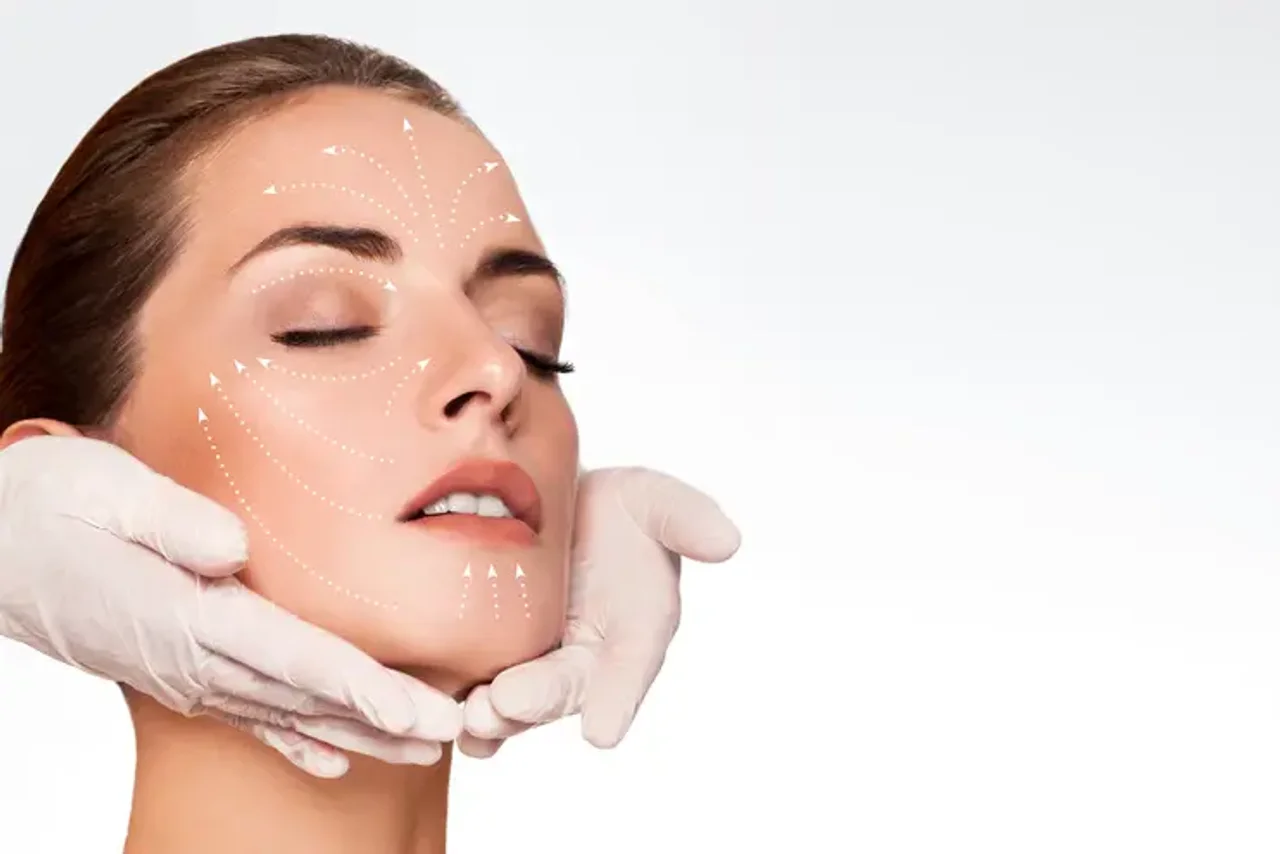
Why Facelift Surgery Is the Best Solution for Long-Lasting Results
Discover why facelift surgery offers the best long-lasting results for a youthful appearance. Learn more about its benefits and transformative effects today!
Learn More