For the best results, at the reliable and sincere TJ Plastic Surgery
Medical Guide
Considering Revision Eye Surgery? How to Fix Previous Eye Procedures
Explore your options for revision eye surgery. Learn how to fix previous eye procedures with expert insights and solutions tailored to your needs.
Schedule a ConsultationIntroduction

Let’s be honest: eye surgery is a delicate art. While it has the power to dramatically enhance a person’s appearance, not every procedure ends up delivering the results patients hoped for. Maybe the eyes look too asymmetrical. Maybe the crease is too high. Or maybe something just doesn’t feel right. If you’re reading this, you might be one of many patients quietly wondering: “Can I fix my previous eye surgery?”
The good news is — yes, revision eye surgery is possible. And at TJ Plastic Surgery, we’ve helped many patients in Seoul and abroad regain confidence after unsatisfactory or overly aggressive eye procedures.
Let’s walk through what revision eye surgery really involves — what it can fix, why issues happen in the first place, and how to ensure your next procedure is the right one.
What Is Revision Eye Surgery?
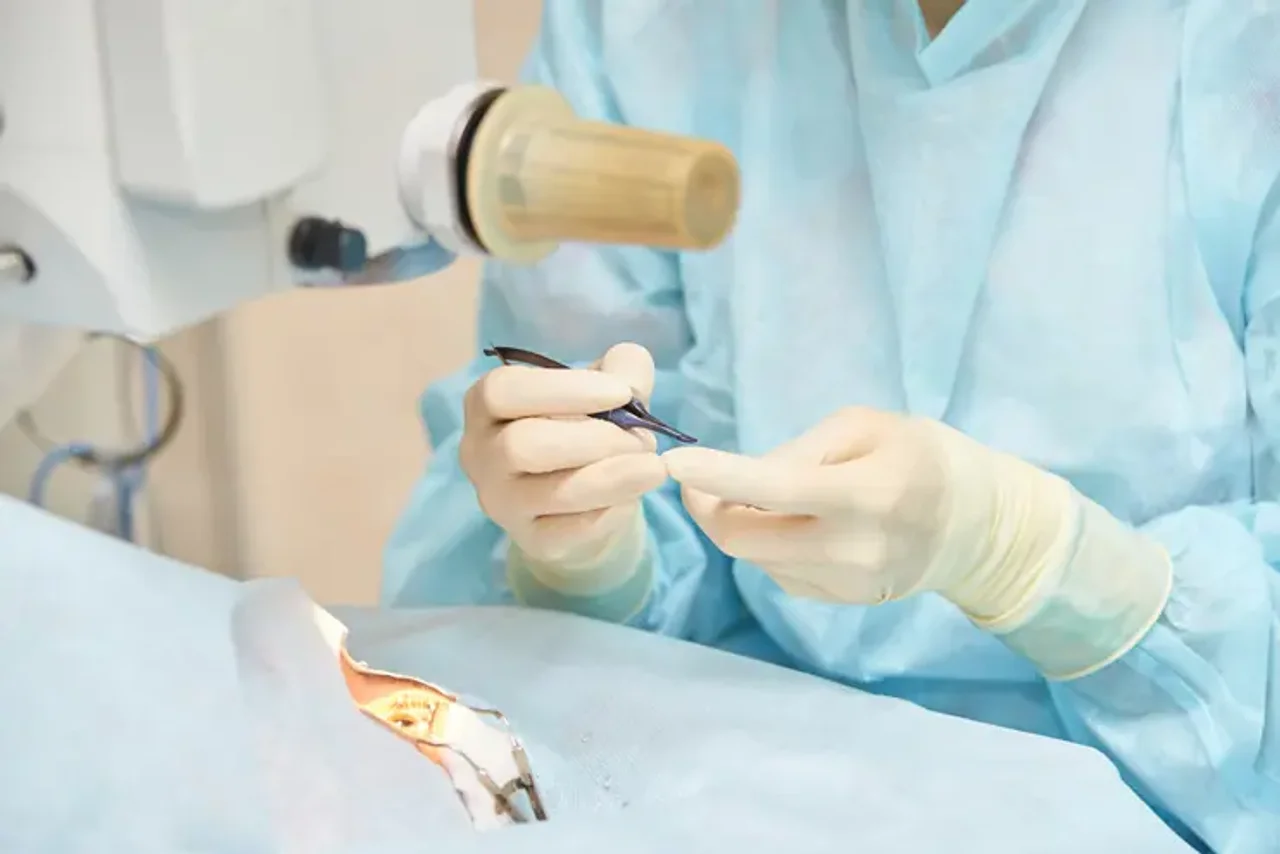
Revision eye surgery, also known as corrective or secondary eyelid surgery, is a procedure designed to fix or improve the results of a previous blepharoplasty (eyelid surgery). This includes both double eyelid surgery (upper eyelid) and lower eyelid surgery, whether it was performed for aesthetic or functional reasons.
At TJ Plastic Surgery in Gangnam, we frequently see patients seeking revision for a range of reasons:
Uneven or asymmetric eyelid creases
Creases that are too high or too low
Hollow or sunken eyelid appearance
Excessive scarring or stiffness
Eyes that appear "too wide" or "too sleepy"
Dissatisfaction with overall appearance
It’s not about perfection — it’s about restoration. Revision surgery isn’t just technical; it’s emotional. People come in feeling disappointed, self-conscious, or even regretful. As surgeons, it’s our job to listen deeply, assess carefully, and rebuild with both precision and compassion.
Why Do Eye Surgeries Sometimes Need Revision?
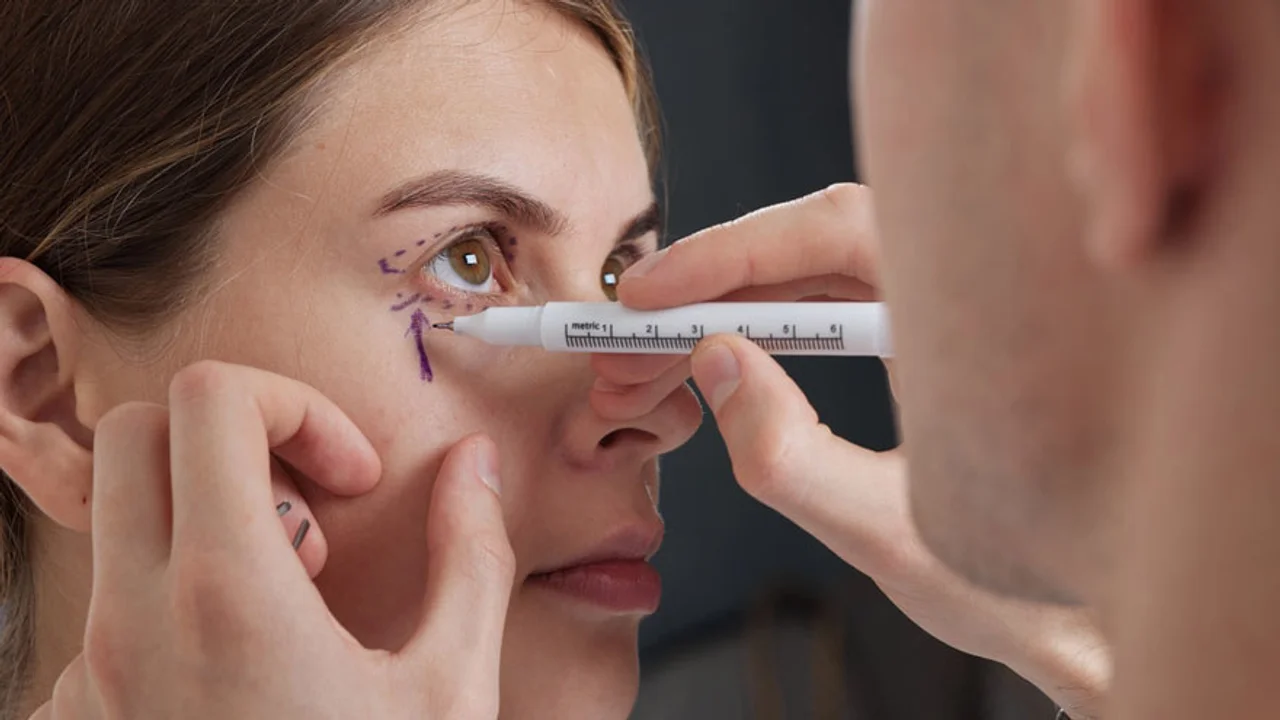
1. Overcorrection or Under-correction
Sometimes, too much fat or skin is removed, leading to a hollow or tight look. Other times, the crease wasn’t set high enough or low enough, creating minimal visible change.
2. Asymmetry
Human faces are naturally asymmetric, but when surgery exaggerates this imbalance — especially in the eyes — it can be quite noticeable.
3. Poor Technique or Inexperience
Not all clinics prioritize long-term results. Some may focus on fast healing or cookie-cutter procedures that don’t suit the patient’s features, especially with overseas “surgery tourism” packages.
4. Unpredictable Healing or Scar Formation
Some patients form more scar tissue than others, which can pull or distort the eyelid shape over time.
When Should You Consider Revision Surgery?
If you’re unhappy with your eye surgery, it’s important to know when revision is possible. Timing matters.
What Revision Eye Surgery Can Correct — And What It Can’t
We always emphasize honest expectations. Revision surgery can achieve impressive results — but it’s not a magic erase button. A skilled surgeon can reshape creases, remove or reposition scar tissue, adjust asymmetry, and restore volume or contour. But results depend on the quality of the tissue and the amount of prior surgery done.
1. Anatomy Assessment
We look at skin elasticity, muscle tone, scar thickness, and how much original structure remains.
2. Patient Goals
Are you seeking a more natural look? A higher crease? A less “surgical” appearance? We want to understand the emotion behind your goals.
3. Technical Feasibility
We carefully evaluate whether your goals can be achieved safely — without causing more damage.
Why Revision Eye Surgery Requires Extra Skill
Revision surgeries are far more complex than first-time procedures. The anatomy has already been altered, scar tissue may have formed unpredictably, and natural landmarks are often missing. To be honest, it’s not something every plastic surgeon is trained — or confident — to do well.
The Emotional Side of Revision: What Patients Often Don’t Talk About

What to Expect During a Revision Consultation at TJ Plastic Surgery
Your consultation is not just about the eyes — it’s about trust. At our Gangnam-based clinic, we approach every revision case with:
Healing After Revision: What’s Different?
Because revision involves working on previously altered tissue, healing tends to be slightly longer than primary surgery — but not drastically so. Most patients can return to daily activities within 7–10 days, with swelling continuing to improve over several weeks.
Considering Revision Eye Surgery in Korea? Here’s Why Patients Choose TJ Plastic Surgery
South Korea is home to some of the most advanced cosmetic surgery techniques in the world — but not all clinics are created equal. What sets TJ Plastic Surgery apart is:
Final Thought: You Deserve to Love Your Eyes Again
If your previous eye surgery didn’t turn out the way you hoped — don’t settle. You deserve a result that feels true to you.
Thinking about correcting a past procedure?
Book a personalized consultation at TJ Plastic Surgery in Seoul.
We’ll help you explore your options — with honesty, precision, and the respect you deserve.
More Articles
Continue reading clinical guides and plastic surgery resources from TJ Plastic Surgery.

What Forehead Reduction Surgery Can Do for Your Facial Aesthetic
Discover how forehead reduction surgery enhances facial aesthetics by creating a balanced, youthful look. Learn more about the benefits and process today!
Learn More

Consider a Minimally Invasive Facelift for a Youthful, Refreshed Appearance
Discover the benefits of a minimally invasive facelift for a youthful, refreshed look. Learn how this procedure can rejuvenate your appearance with less downtime.
Learn More

Why Facelift Surgery Is the Best Solution for Long-Lasting Results
Discover why facelift surgery offers the best long-lasting results for a youthful appearance. Learn more about its benefits and transformative effects today!
Learn More