For the best results, at the reliable and sincere TJ Plastic Surgery

Medical Guide
Body Odor Surgery: What It Involves and Who Qualifies
How body odor surgery for apocrine bromhidrosis works, who may qualify, recovery, risks, and non-surgical alternatives, explained by TJ Plastic Surgery.
Schedule a ConsultationBody Odor Surgery: What It Involves and Who Qualifies
Medically reviewed by Dr. Tack Jin Chang, Chief Director and Plastic Surgeon, TJ Plastic Surgery
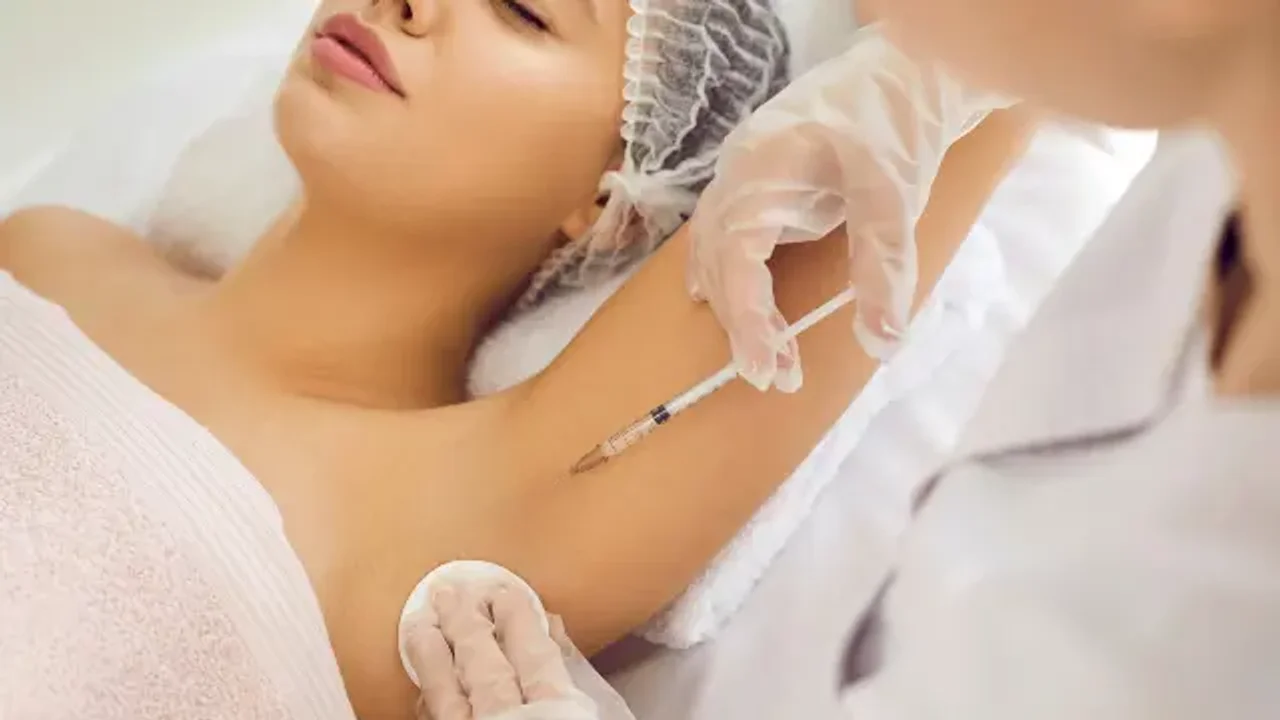
Body odor surgery is a procedure aimed at reducing persistent underarm odor by targeting the apocrine sweat glands that contribute to it. For people whose odor does not improve with deodorants, antiperspirants, or hygiene changes, surgery is sometimes discussed as a more lasting option. At TJ Plastic Surgery in Gangnam, Seoul, body odor surgery is one of the procedures offered for this concern. This article explains what apocrine bromhidrosis is, how surgical management generally works, who may be a candidate, what recovery and risks look like, and which non-surgical alternatives exist so you can have an informed conversation with a qualified surgeon.
Understanding Body Odor and Apocrine Bromhidrosis
To understand the procedure, it helps to understand where underarm odor comes from. The skin contains two main types of sweat glands. Eccrine glands are spread widely across the body and produce the watery sweat that cools you down. Apocrine glands are concentrated in specific areas — most notably the underarms (axillae), the areola, and the anogenital region — and they become active around puberty.
According to StatPearls resources on skin gland anatomy, apocrine glands empty into hair follicles and produce a thicker, protein-rich secretion rather than watery sweat. This secretion is essentially odorless when it first reaches the skin. The characteristic smell develops when bacteria that live on the skin break down the components of that secretion. In other words, the odor is largely the product of the interaction between apocrine sweat and skin bacteria.
Why People Consider Surgery
For many people, underarm odor is well managed with over-the-counter products and hygiene. But for others, strong or persistent odor can interfere with daily life, work, and social confidence, and it may not respond adequately to deodorants or antiperspirants — a pattern that becomes especially noticeable in hot weather or after exercise. In those situations, some people look for a longer-lasting approach.
Body odor surgery aims to reduce the number or activity of apocrine glands in the underarm so that less of the odor-causing secretion is produced. Because it addresses the source glands rather than masking the smell, it is sometimes chosen by people who want a more durable result than topical products or repeat injections can provide. That said, surgery is a bigger commitment than non-surgical options, and it is not the right starting point for everyone.
How Body Odor Surgery Generally Works
Surgical management of apocrine bromhidrosis focuses on removing or reducing the apocrine glands in the underarm. Several techniques exist across the field, and the general goal shared by these approaches is to reduce the gland tissue responsible for odor while trying to limit scarring and preserve the surrounding skin. Broadly, surgical and procedural methods described in the medical literature include:
Body Odor Surgery at TJ Plastic Surgery
TJ Plastic Surgery is a plastic and cosmetic surgery clinic established in 2017 in Gangnam, Seoul, operating under a single-doctor care model. Dr. Tack Jin Chang personally handles consultation, surgery, and follow-up. Dr. Tack Jin Chang is a plastic surgery specialist and a member of the Korean Board of Plastic Surgery. Body odor surgery is among the procedures the clinic offers, and the specifics of the technique used are determined during an individualized consultation.
Who May Be a Candidate
Candidacy for body odor surgery is determined individually, but people who tend to consider it share some common features:
- Persistent, strong underarm odor that affects daily life and social confidence
- Odor that has not responded adequately to deodorants, antiperspirants, or hygiene measures
- A preference for a more lasting approach after conservative options have been tried
- General good health suitable for a minor surgical procedure
Recovery and What to Expect
Because body odor surgery involves the underarm area, recovery instructions often focus on protecting the incisions and limiting arm movement while tissue heals. General expectations for this kind of underarm surgery may include:
Risks and Honest Considerations
Like any surgery, body odor surgery carries risks that should be weighed against the potential benefit. Depending on the technique, possible risks and side effects can include:
Non-Surgical Alternatives
Surgery is not the only route, and it is usually not the first one. Conservative and non-surgical options for underarm odor and sweating include:
The Bottom Line
- Underarm odor comes largely from apocrine sweat glands whose secretions are broken down by skin bacteria; body odor surgery aims to reduce that gland tissue.
- Surgery is generally considered only when persistent odor does not respond to deodorants, antiperspirants, and hygiene measures, and it is a bigger commitment than non-surgical options.
- Candidacy, technique, recovery, and results are individual; outcomes vary and no procedure can guarantee complete or permanent odor elimination.
- Real risks include bleeding, infection, delayed healing, scarring, and incomplete results, so an in-person surgical evaluation is essential.
- Non-surgical alternatives include antiperspirants, clinician-recommended topicals, and botulinum toxin injections; TJ Plastic Surgery offers both surgical and non-surgical pathways.
Frequently Asked Questions
**What causes underarm body odor?**Underarm odor comes mainly from apocrine glands, which produce a protein-rich secretion that is odorless at first. Bacteria on the skin break down that secretion, and this interaction produces the characteristic smell. This is why both reducing sweat and reducing bacteria are common targets of treatment.
More Articles
Continue reading clinical guides and plastic surgery resources from TJ Plastic Surgery.
What Forehead Reduction Surgery Can Do for Your Facial Aesthetic
Discover how forehead reduction surgery enhances facial aesthetics by creating a balanced, youthful look. Learn more about the benefits and process today!
Learn More

Consider a Minimally Invasive Facelift for a Youthful, Refreshed Appearance
Discover the benefits of a minimally invasive facelift for a youthful, refreshed look. Learn how this procedure can rejuvenate your appearance with less downtime.
Learn More
Why Facelift Surgery Is the Best Solution for Long-Lasting Results
Discover why facelift surgery offers the best long-lasting results for a youthful appearance. Learn more about its benefits and transformative effects today!
Learn More